Officials Push to Reopen Indian Point Nuclear Plant as Energy Costs Surge in New York
BUCHANAN, NY — A major debate over New York’s energy future reignited Friday at the shuttered Indian Point Energy Center, where federal officials, lawmakers, and energy executives gathered to argue that the controversial nuclear plant should be rebuilt and reopened.
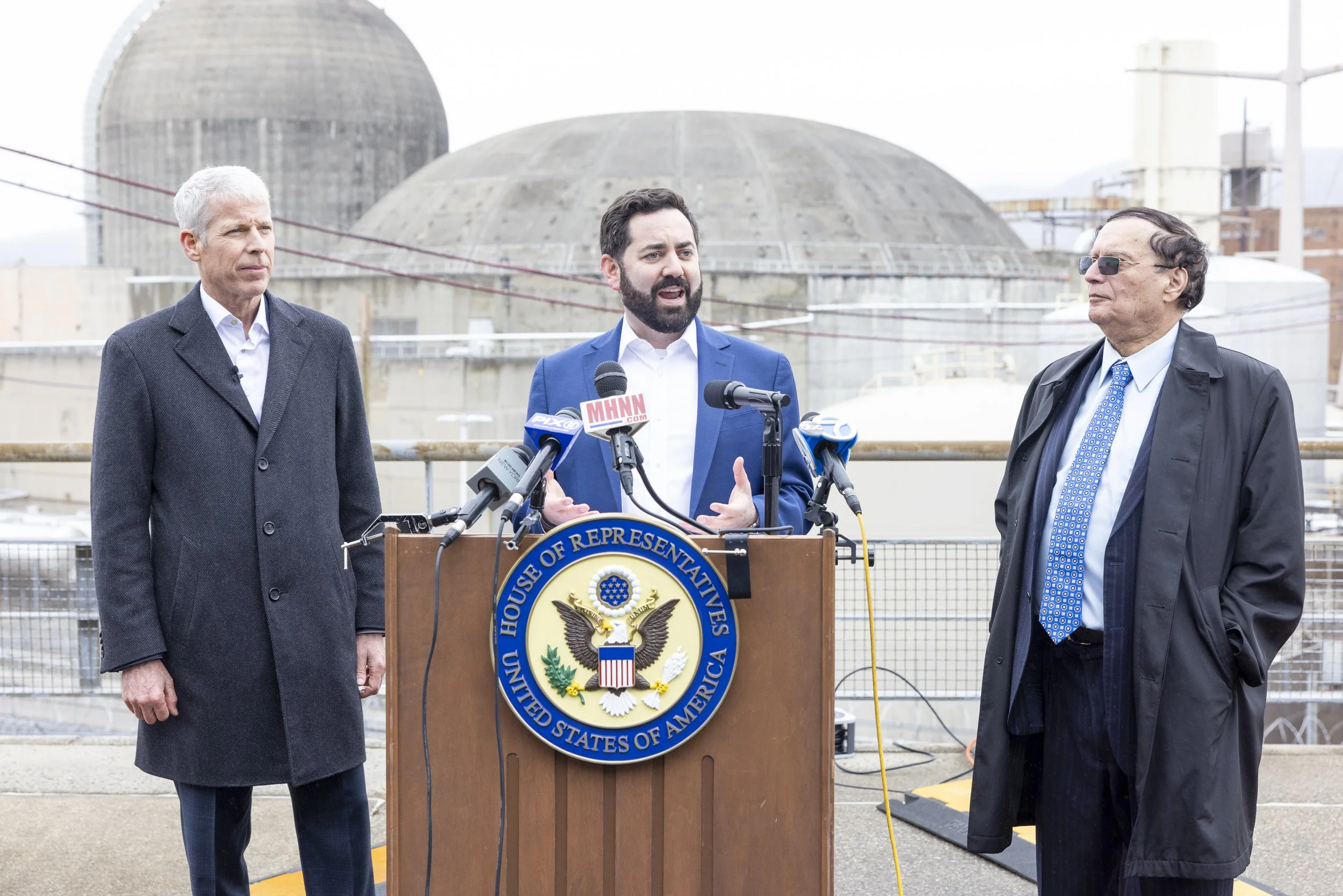
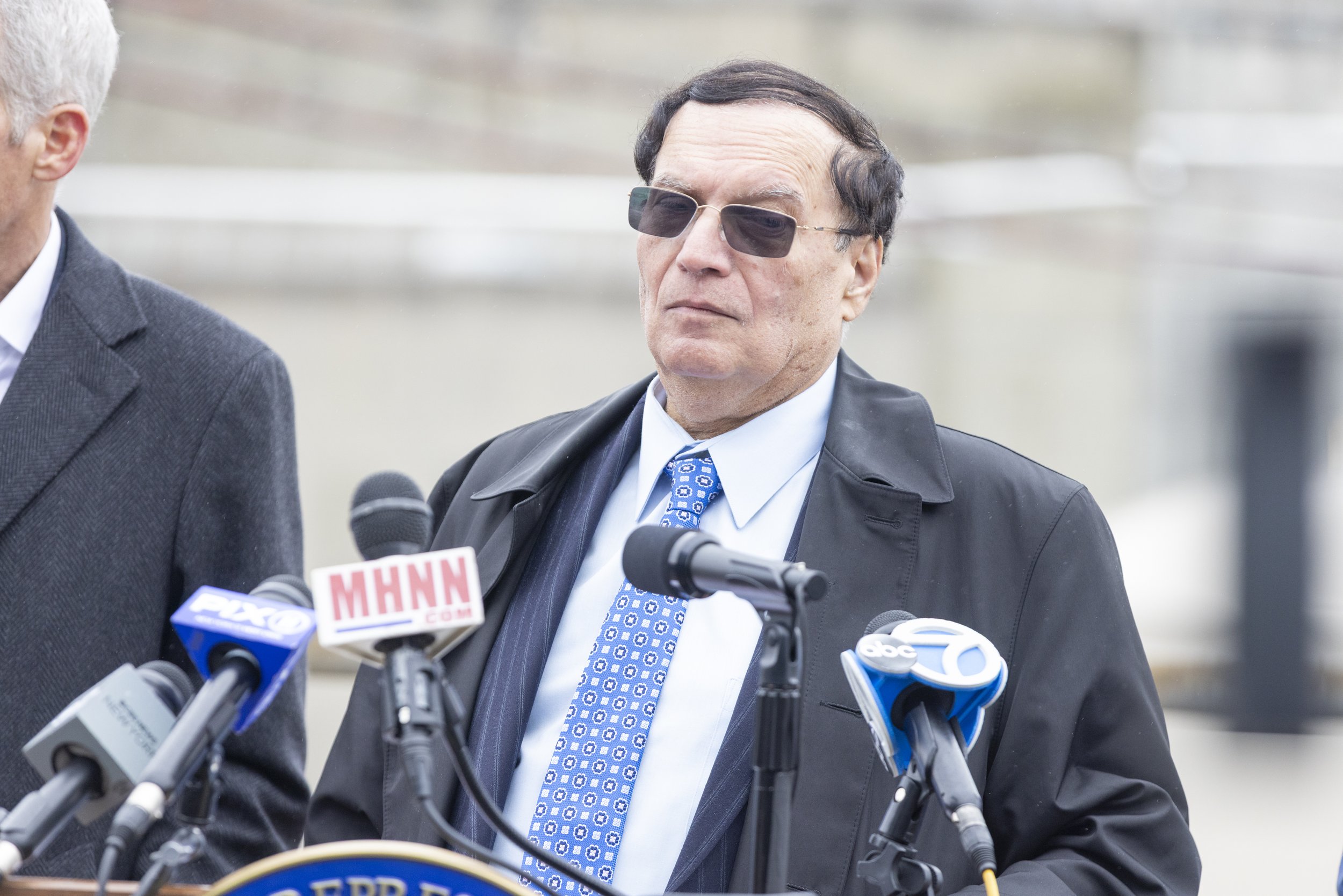
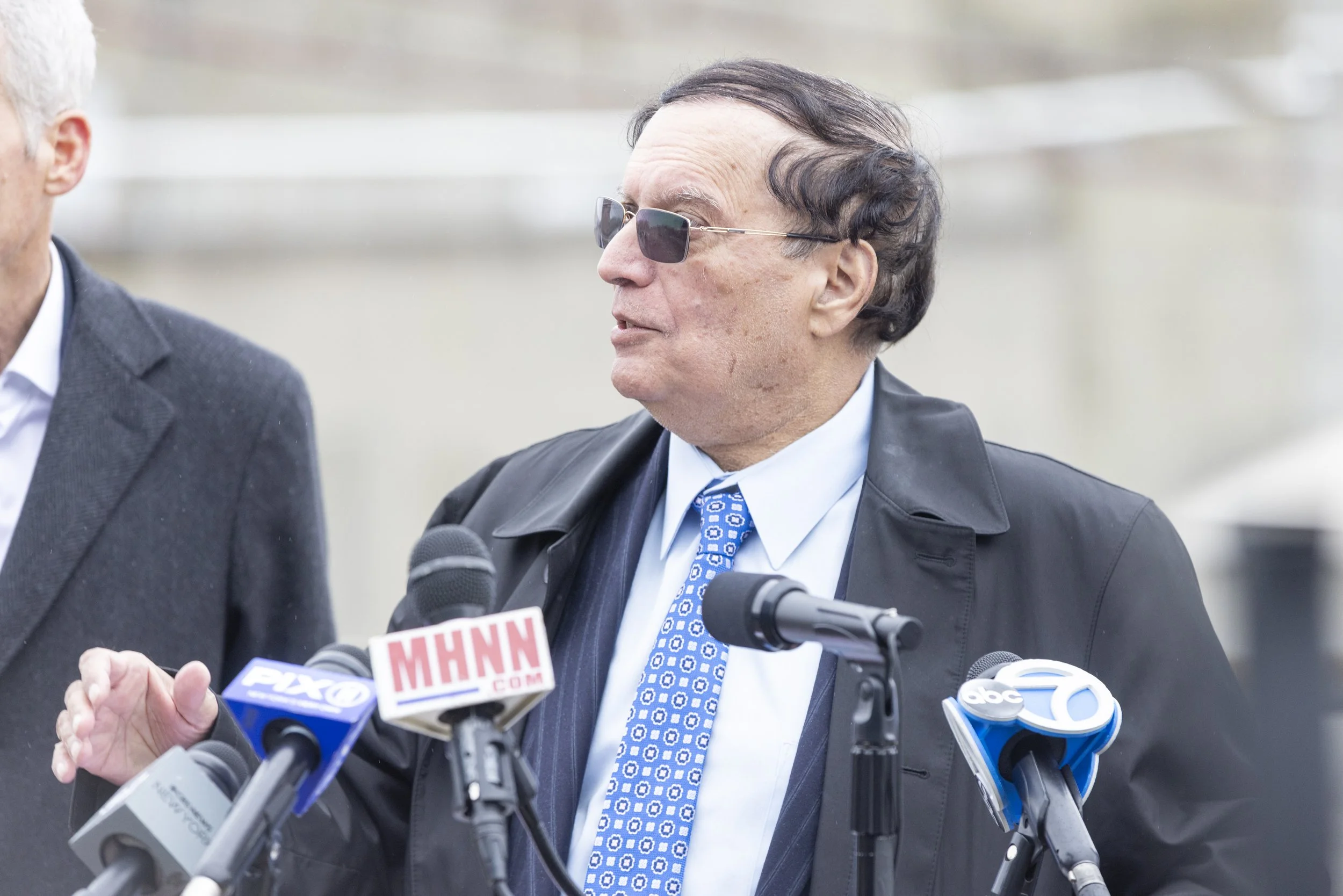
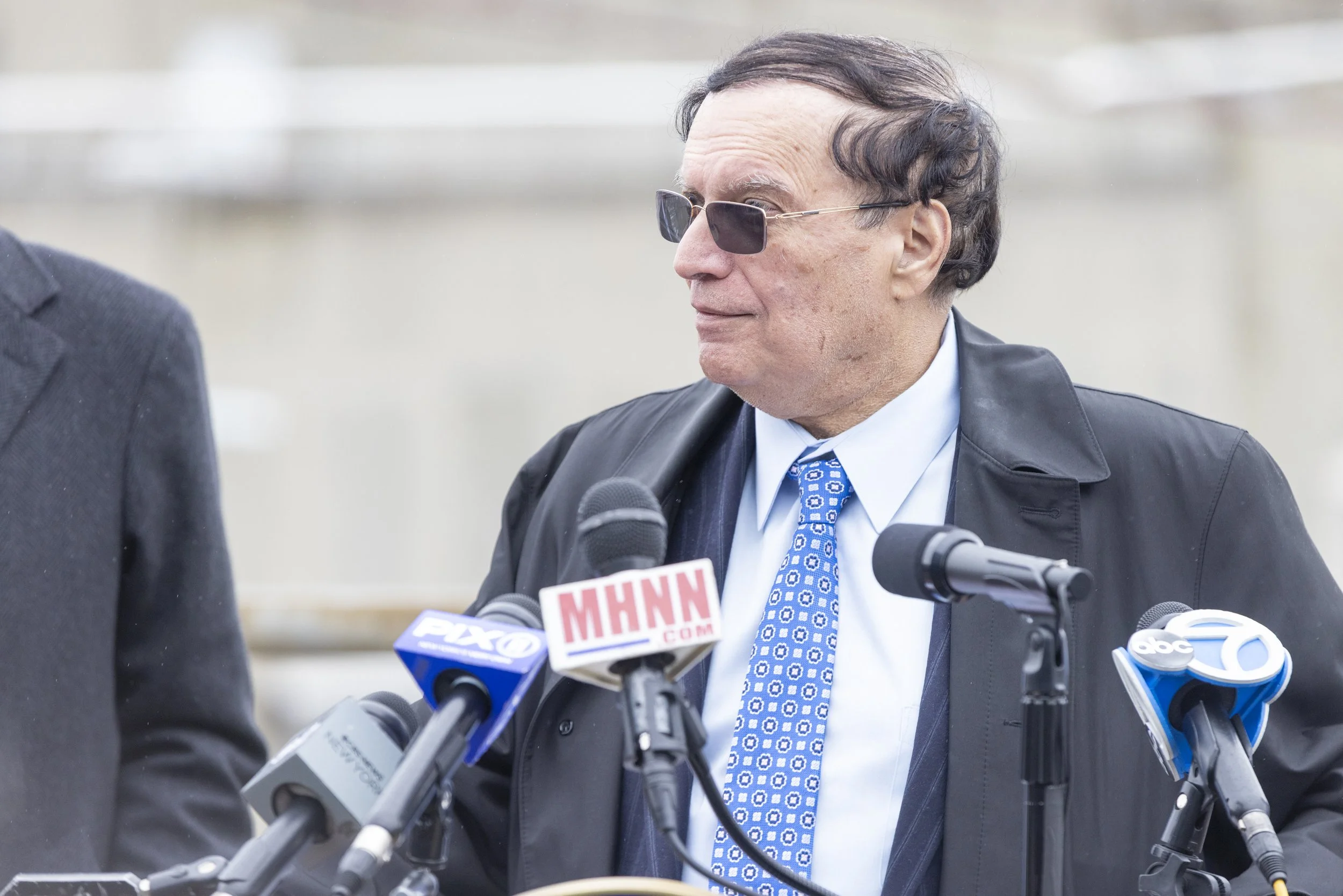
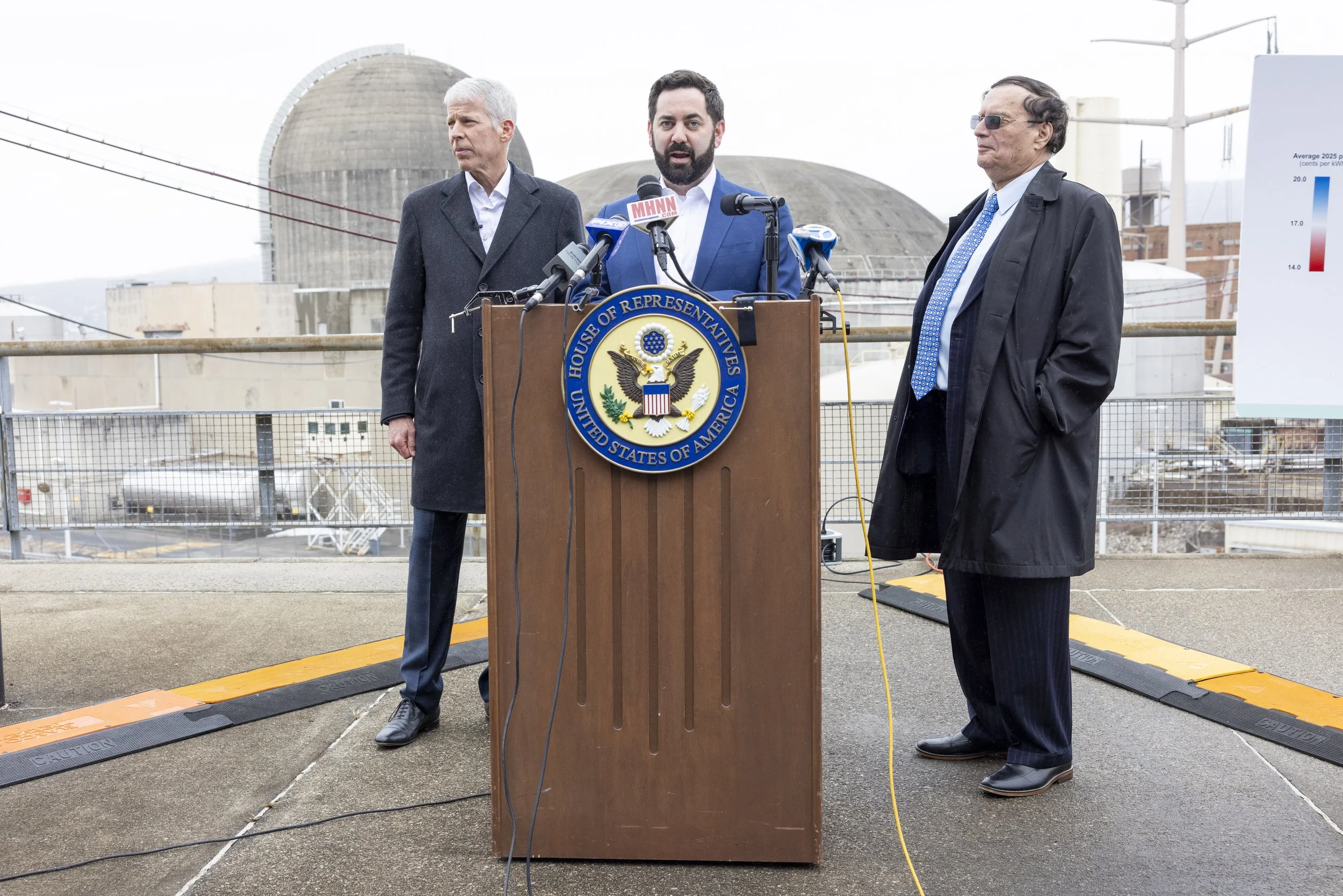
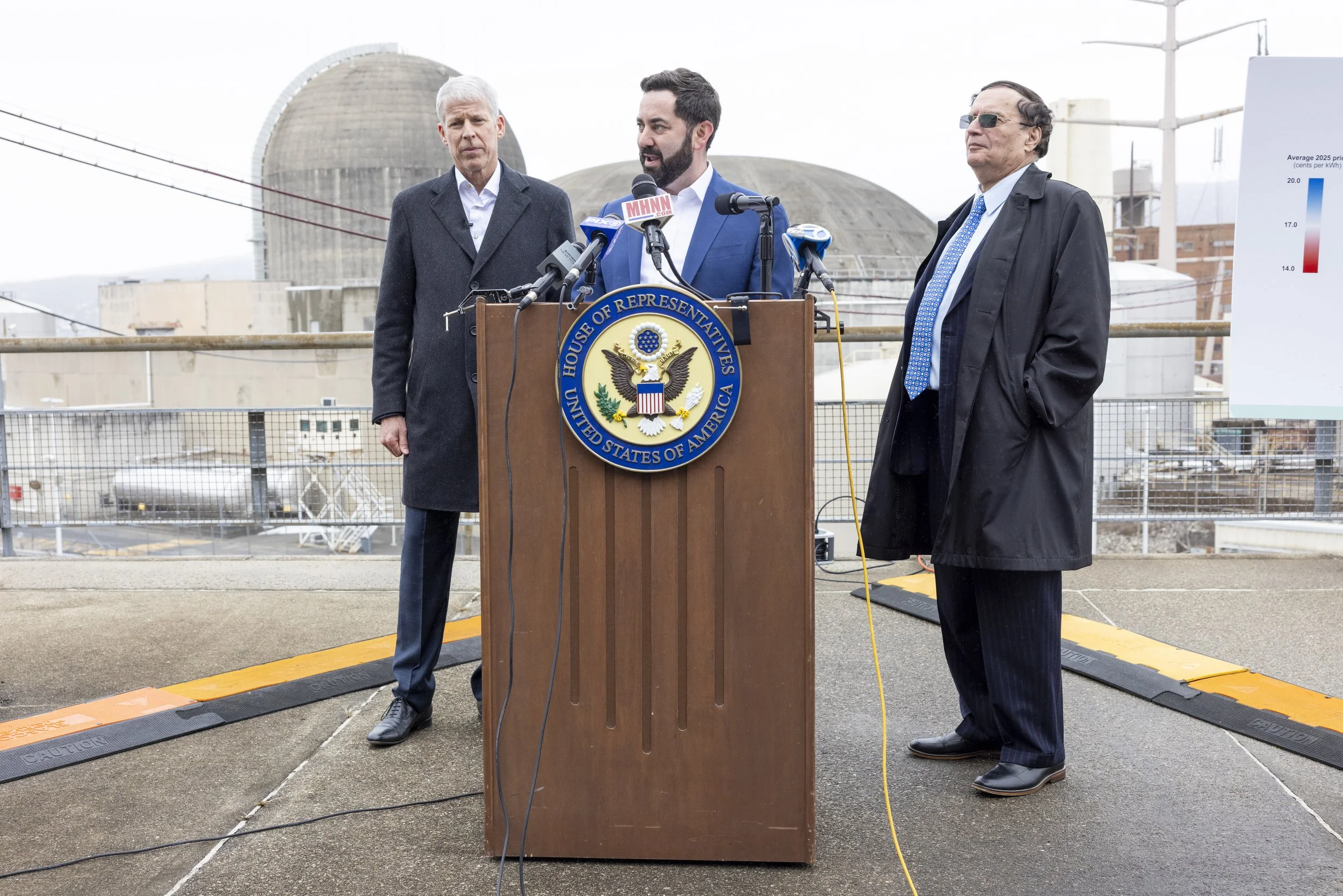
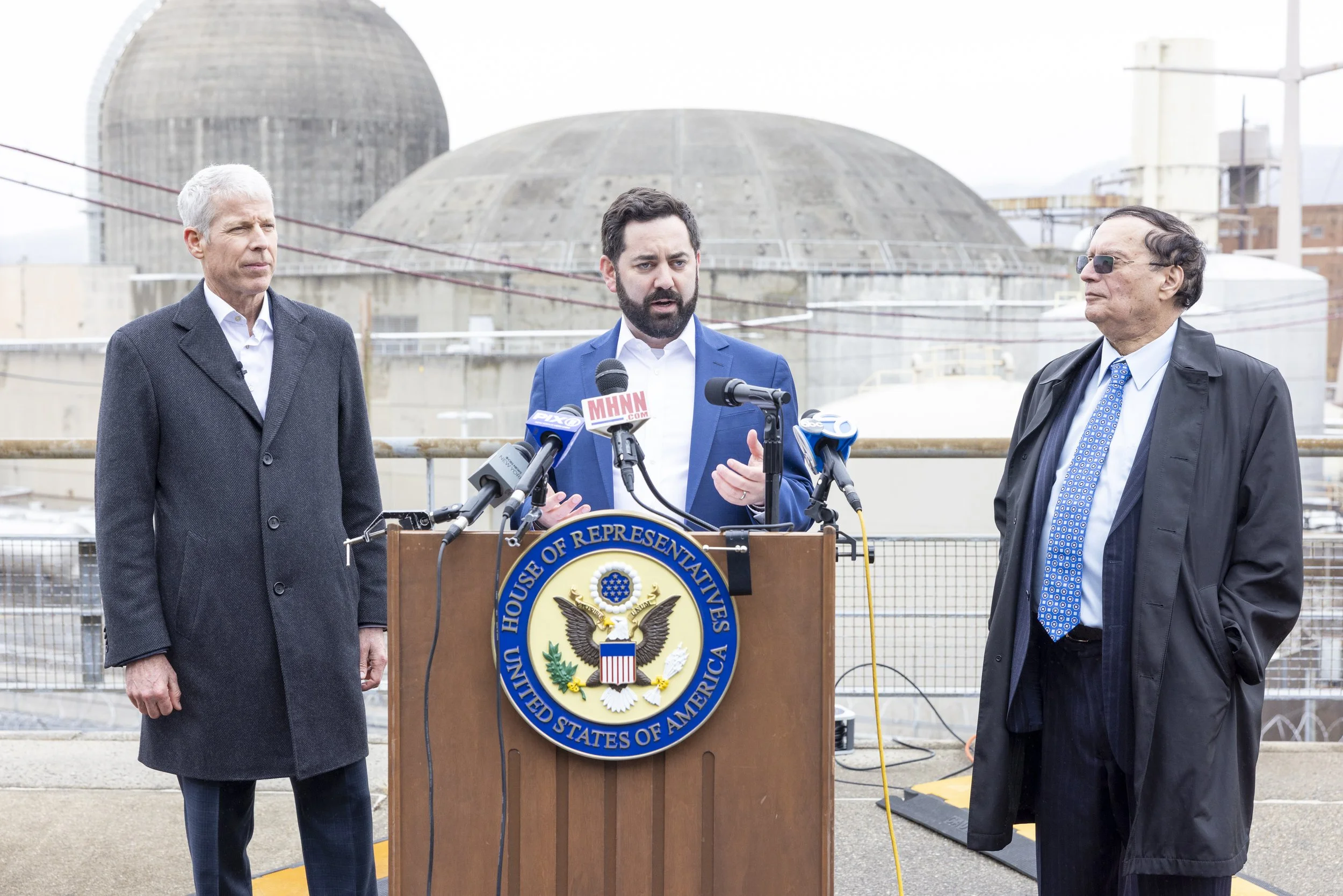
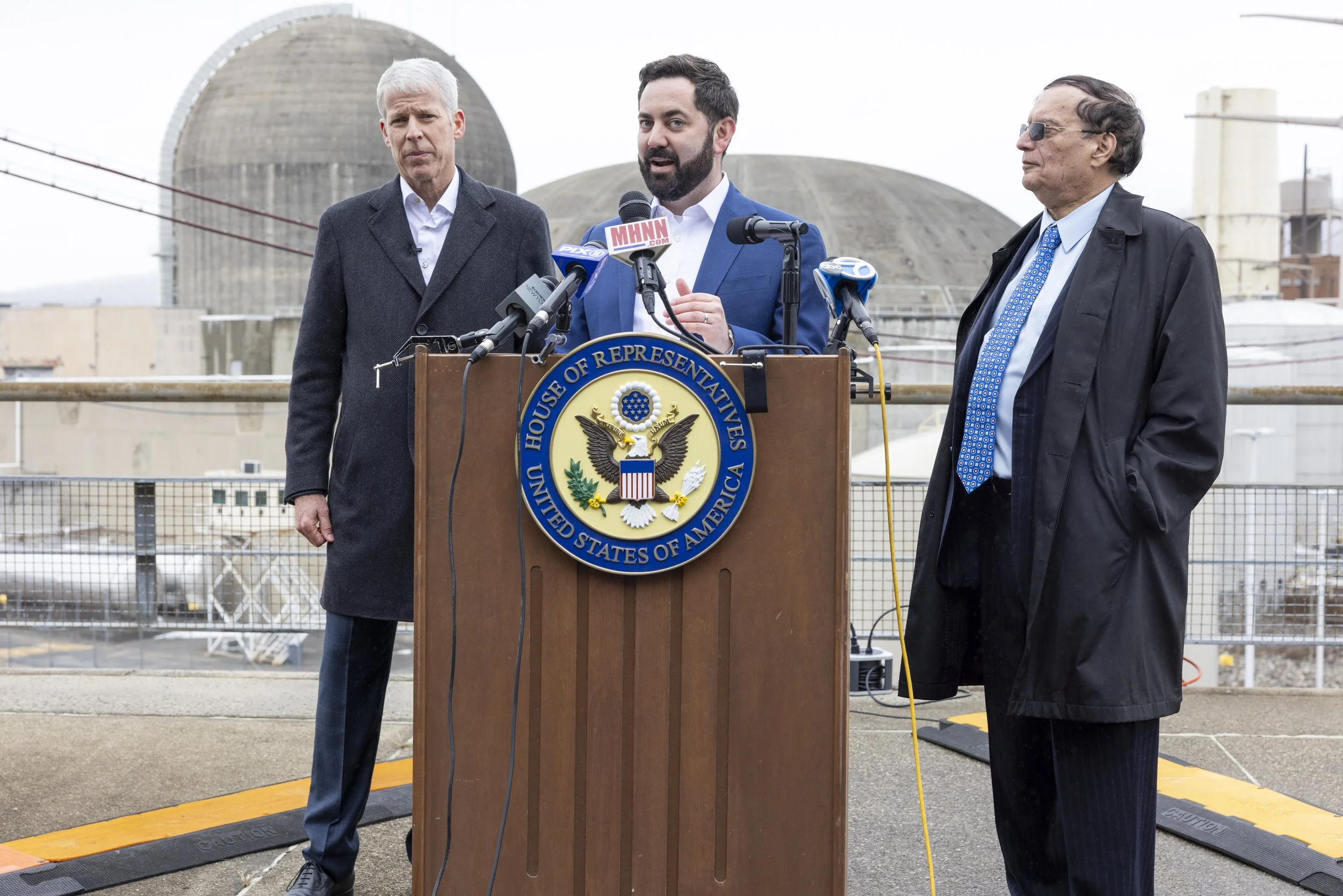
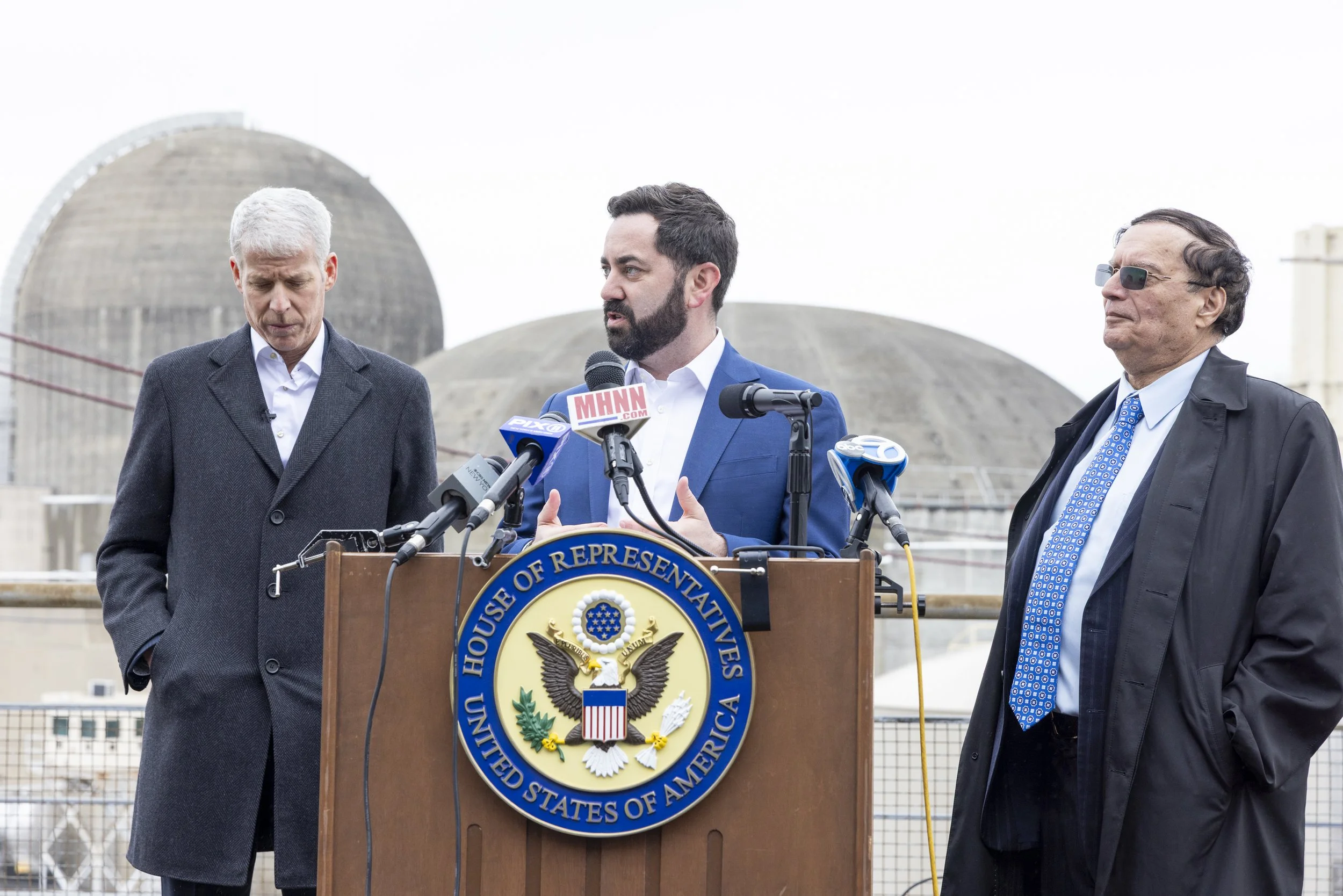
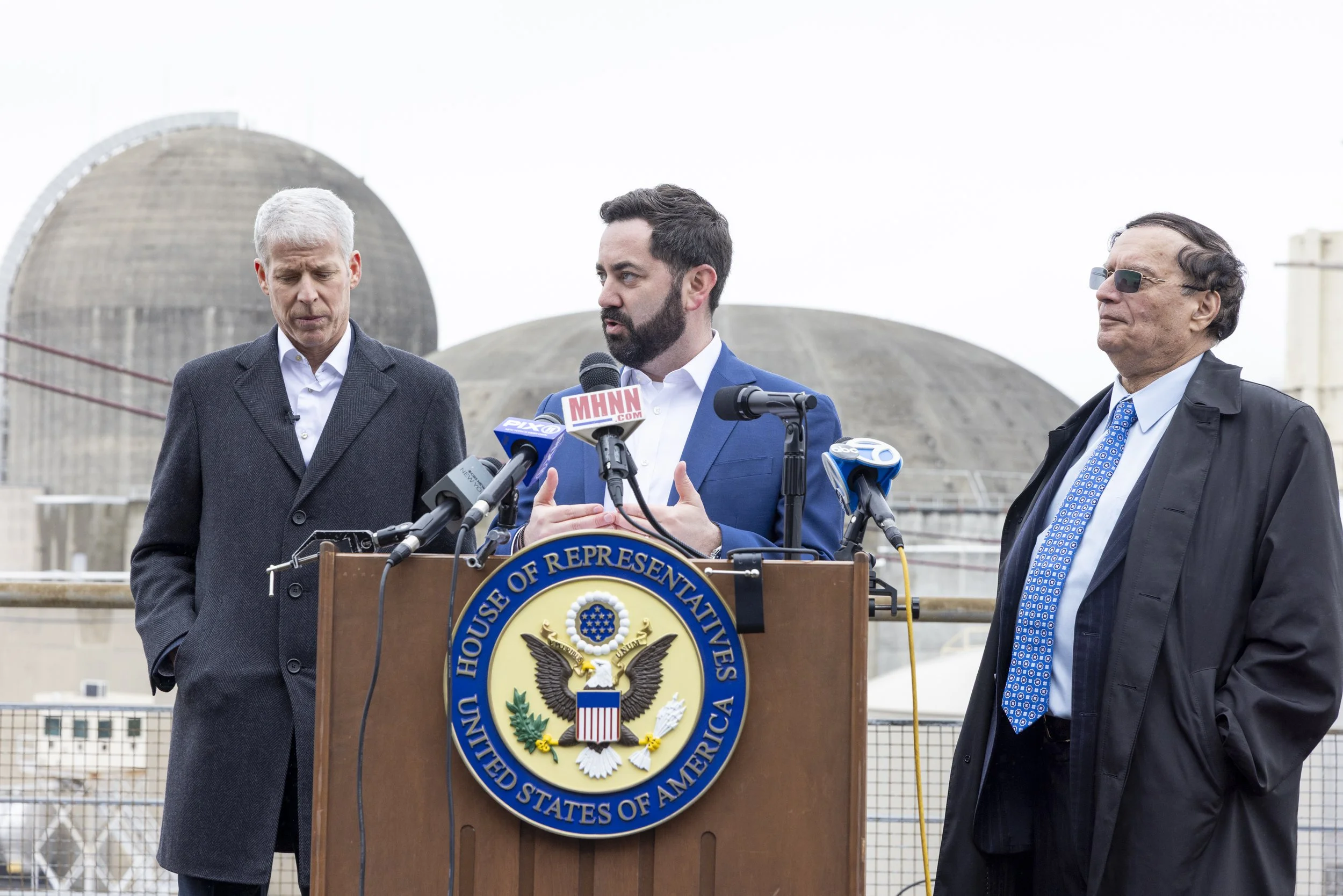
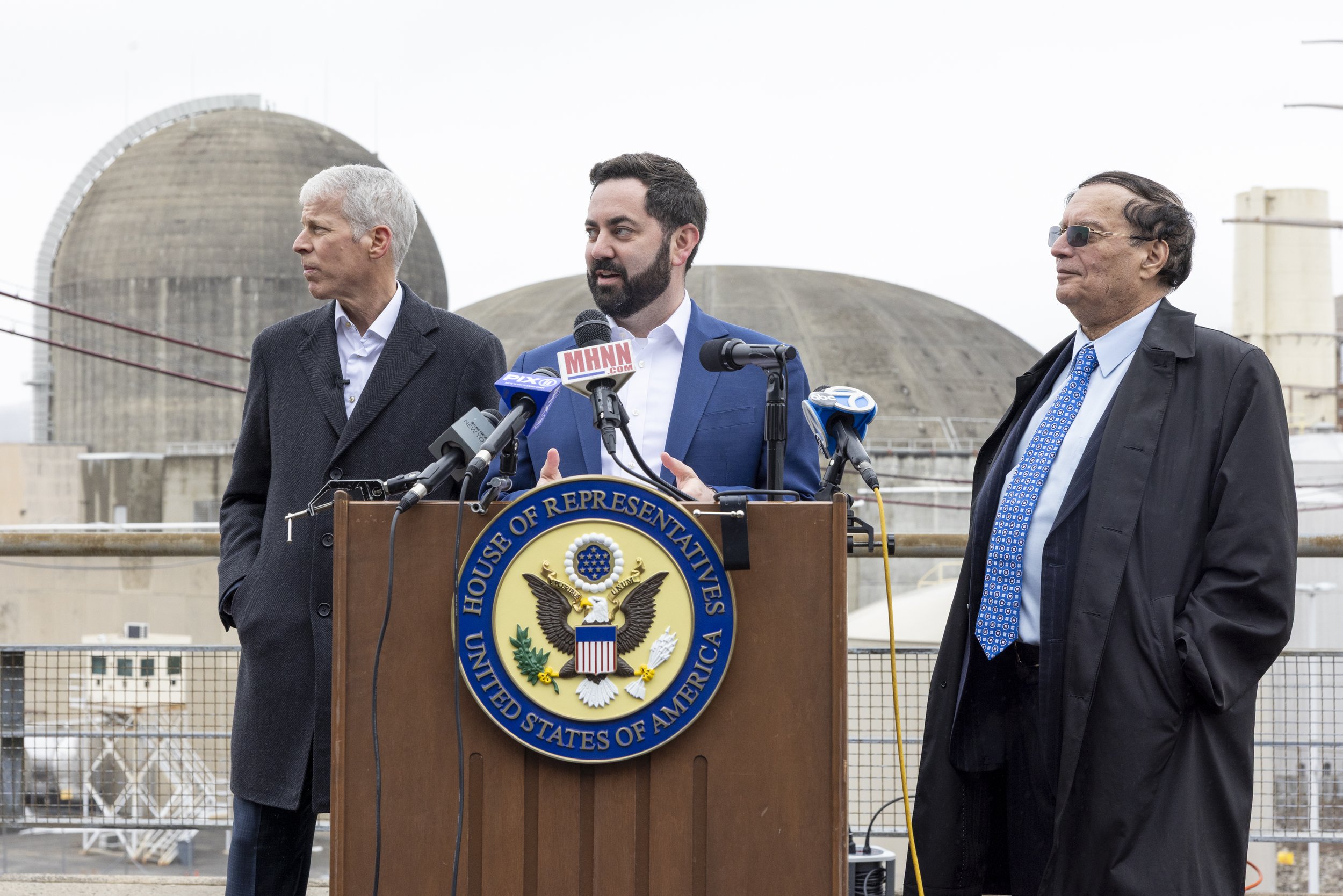
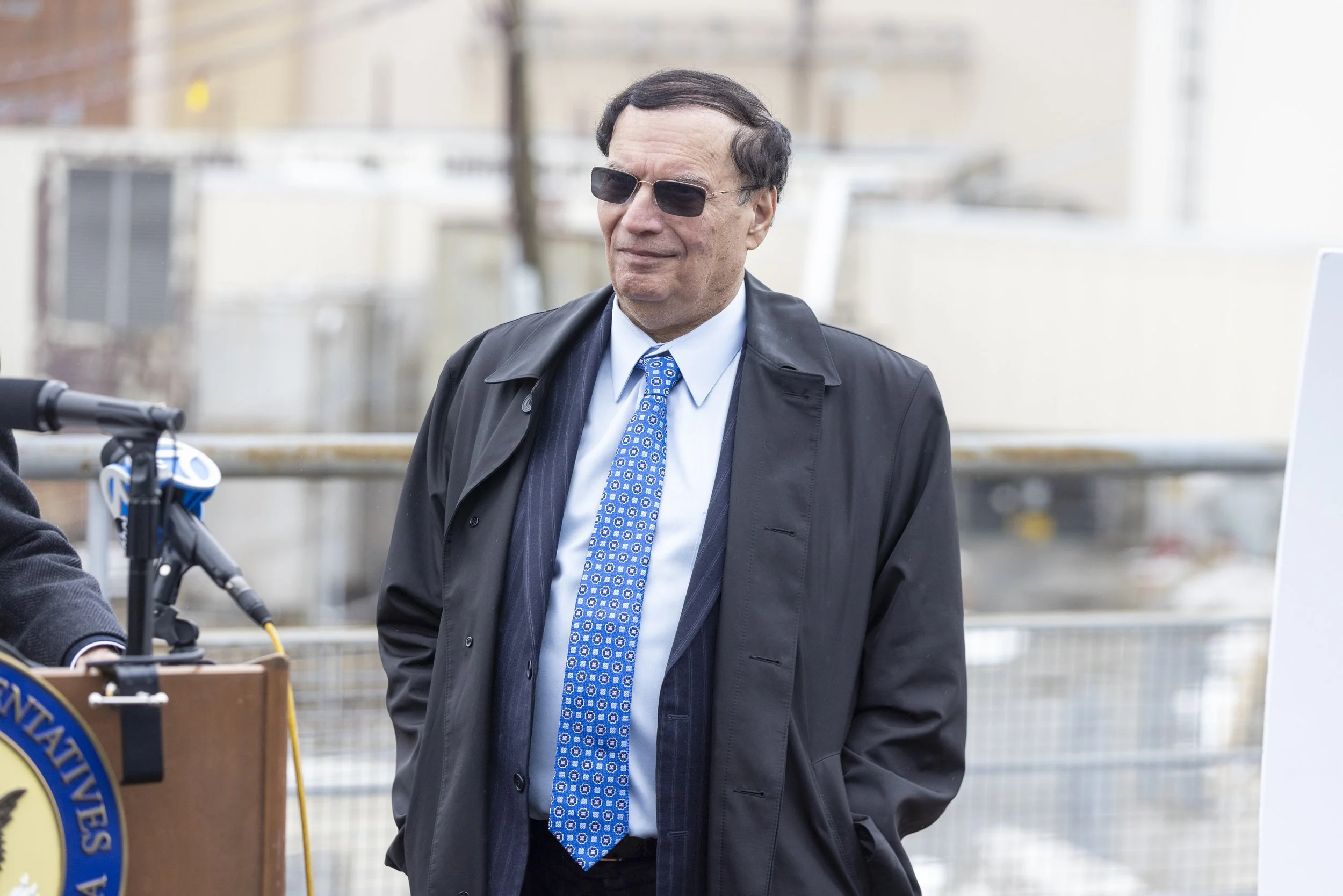
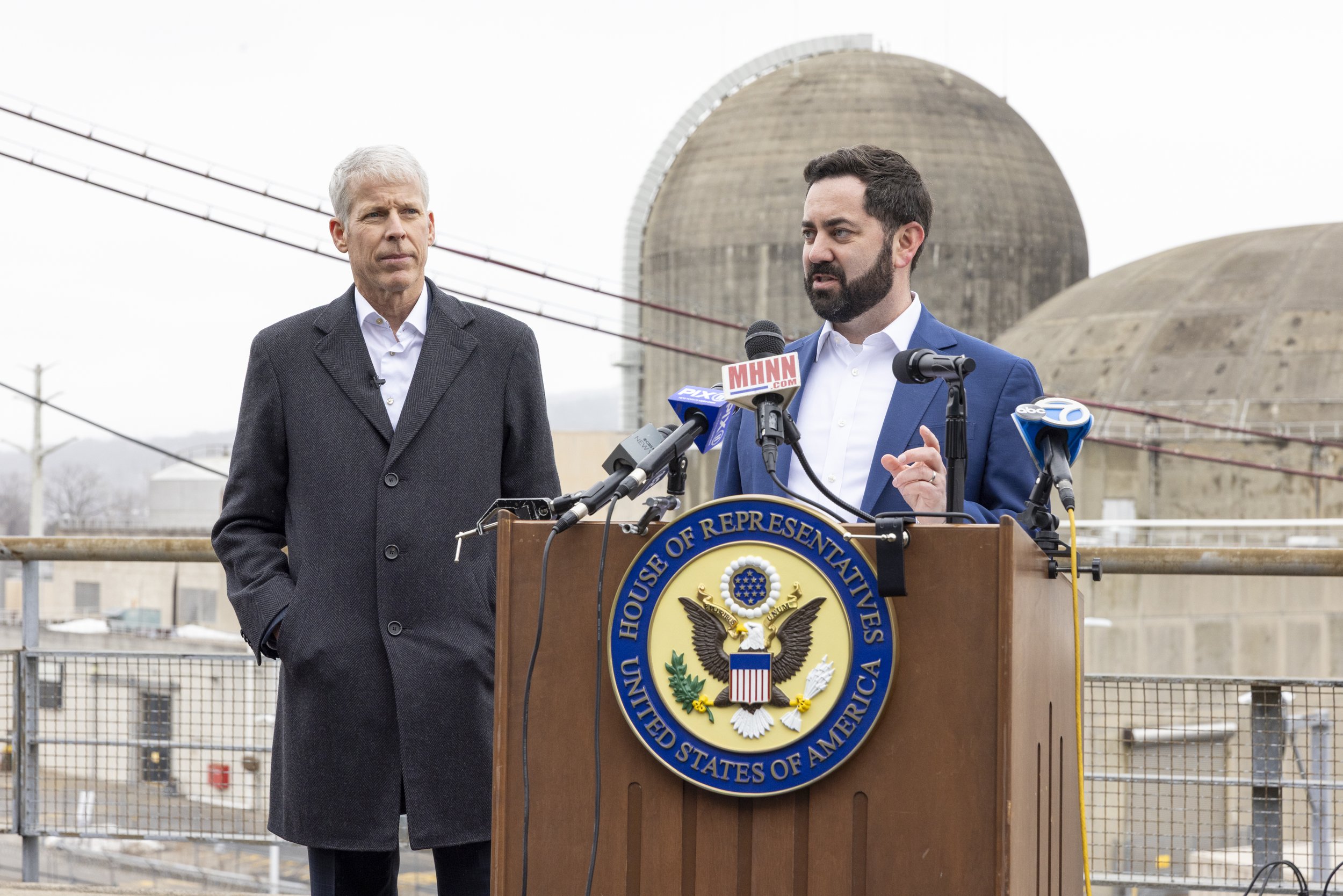
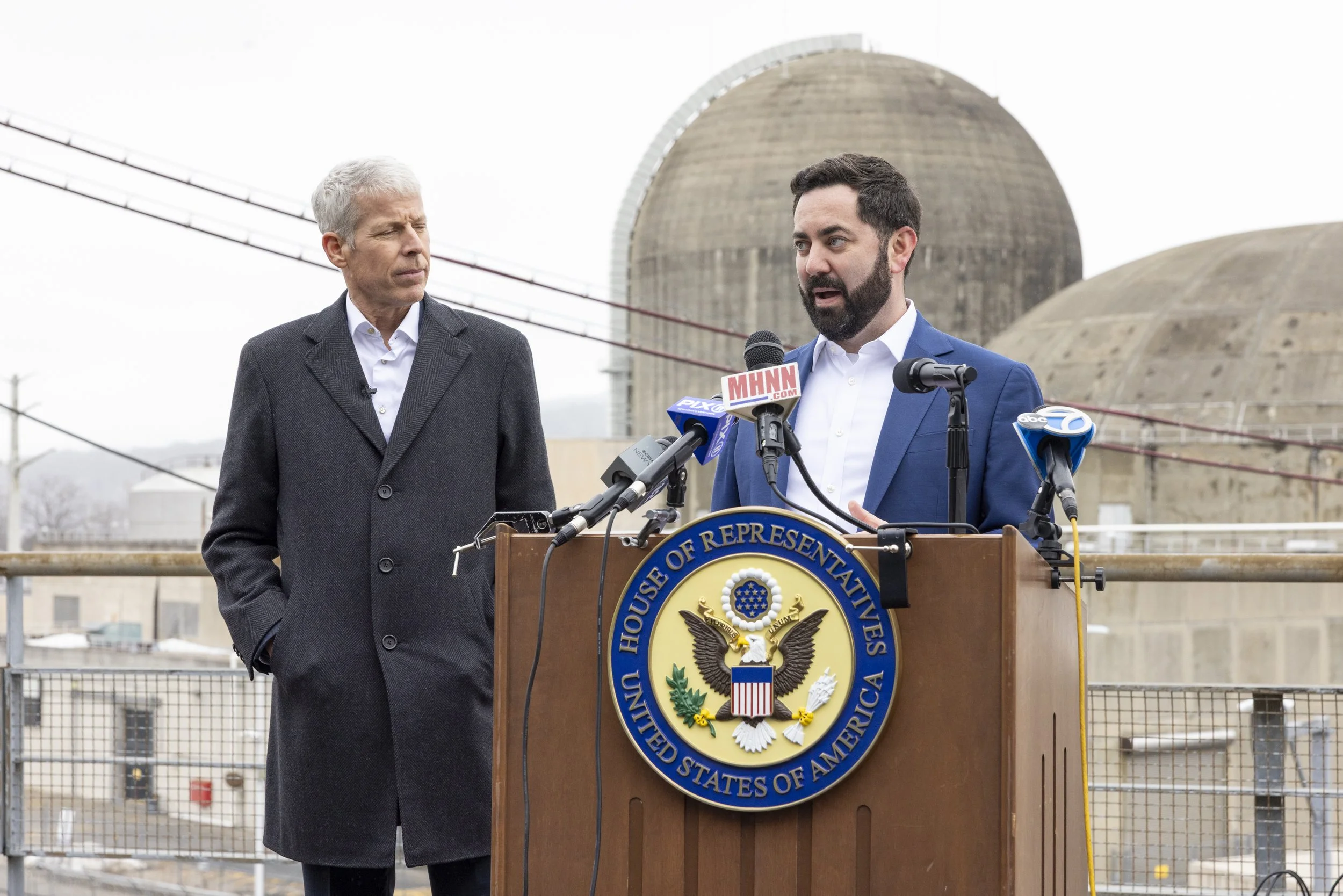
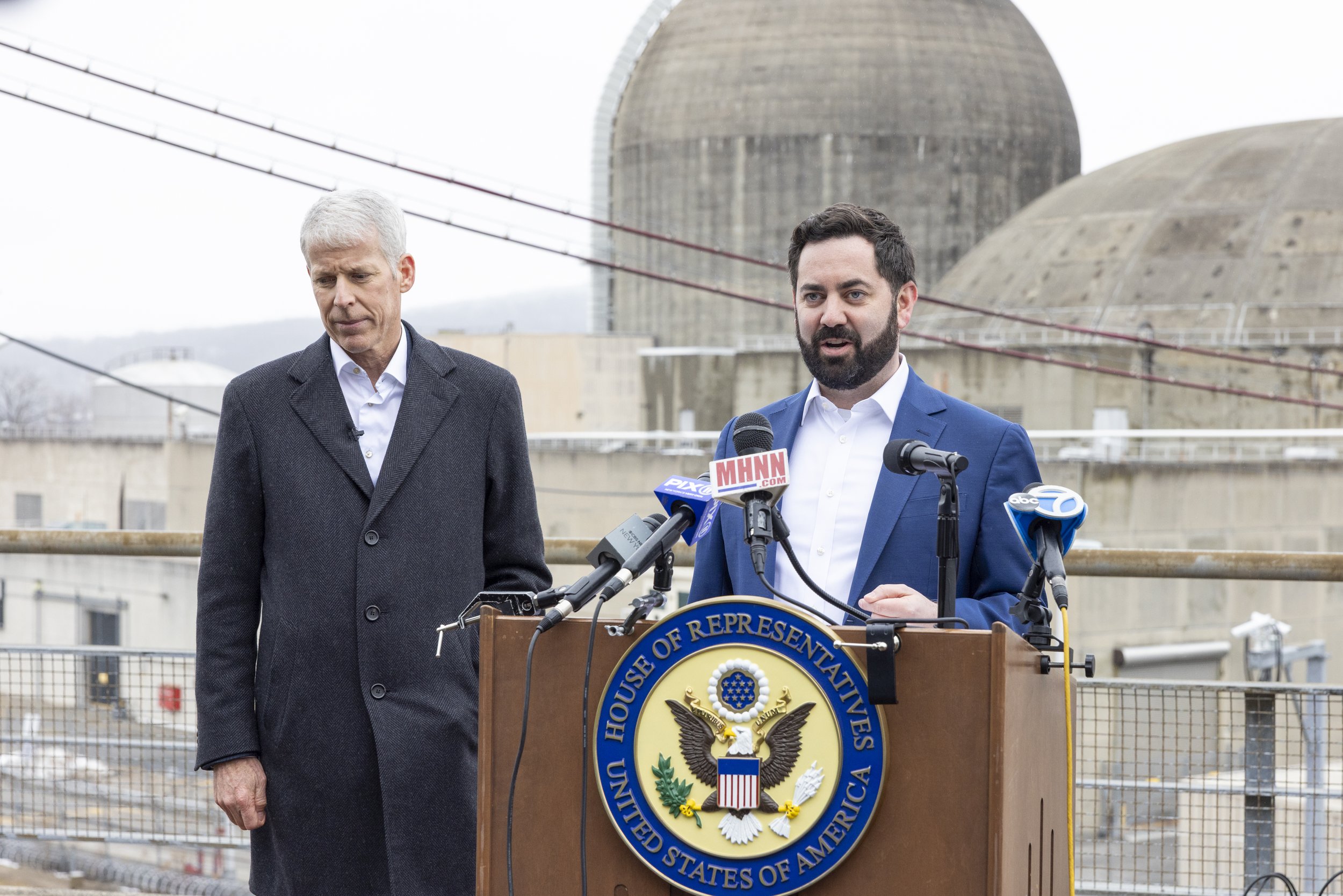
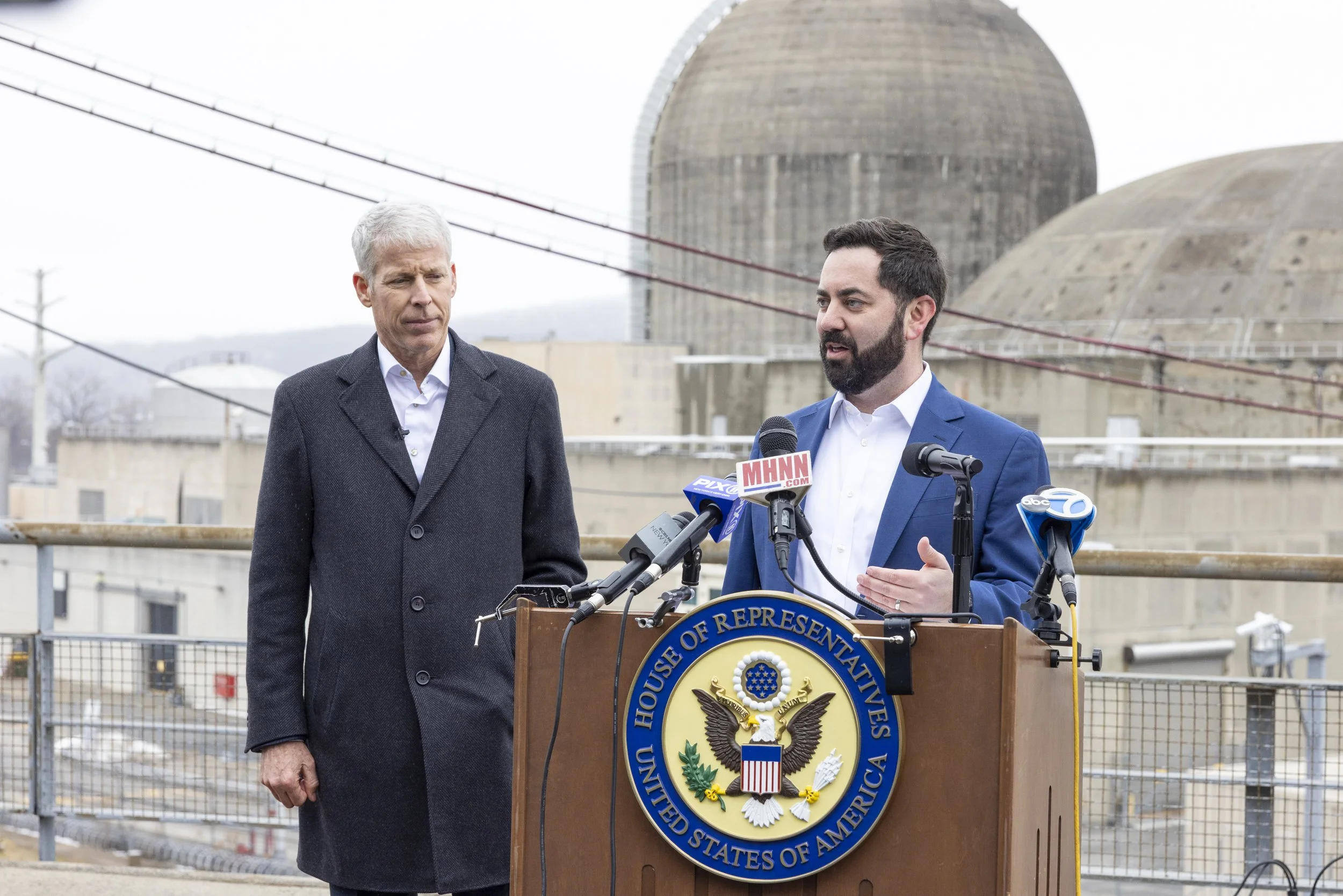
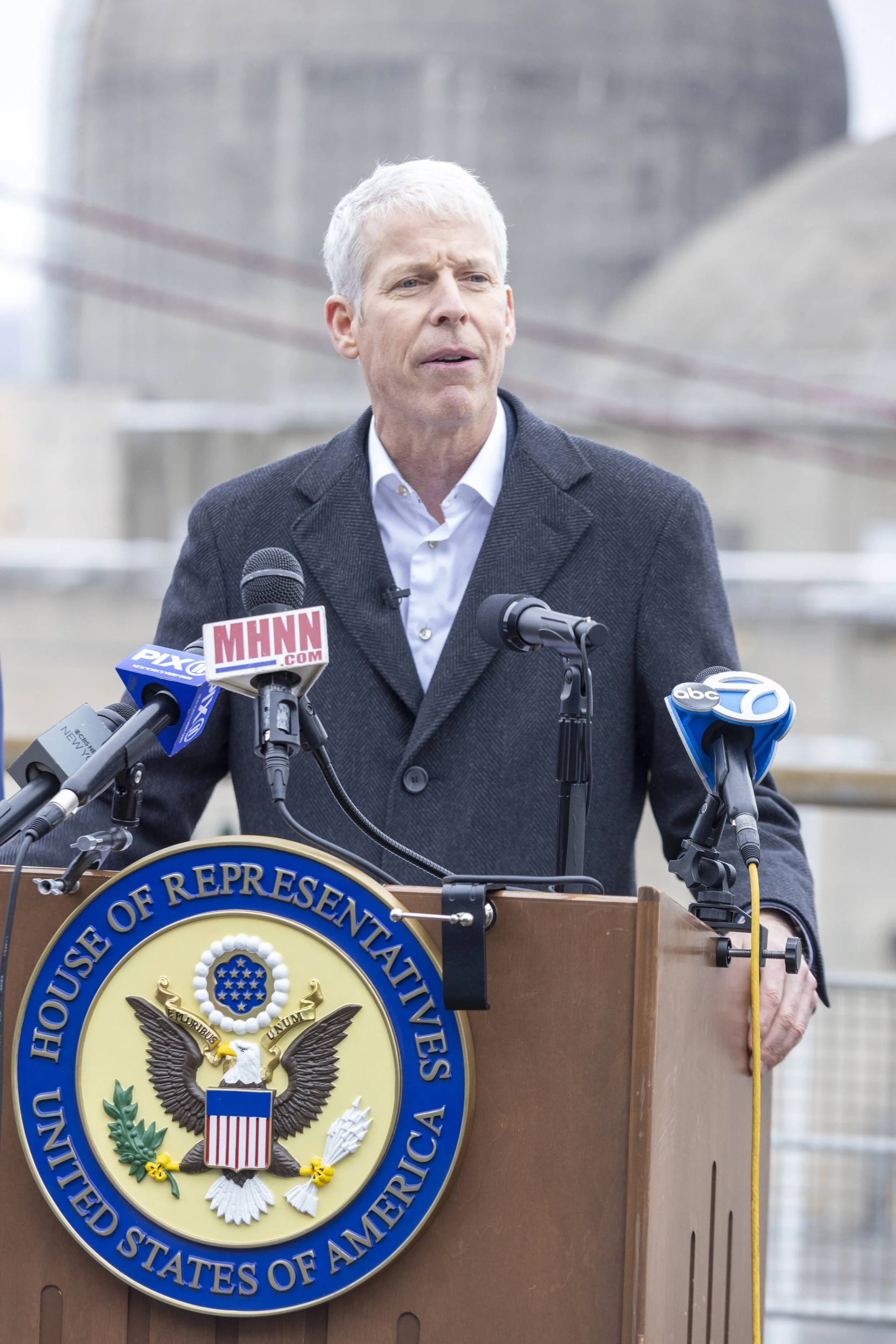
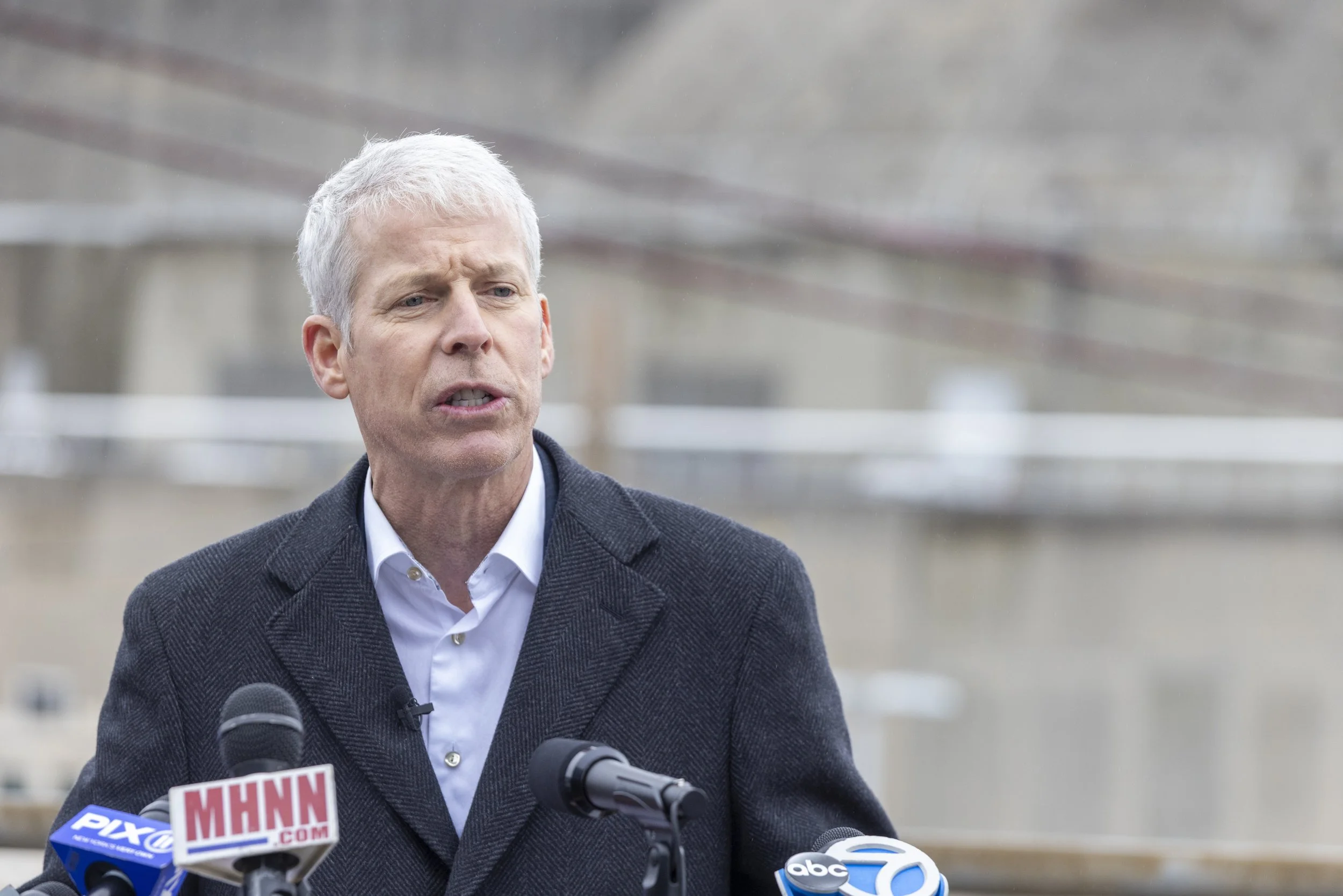
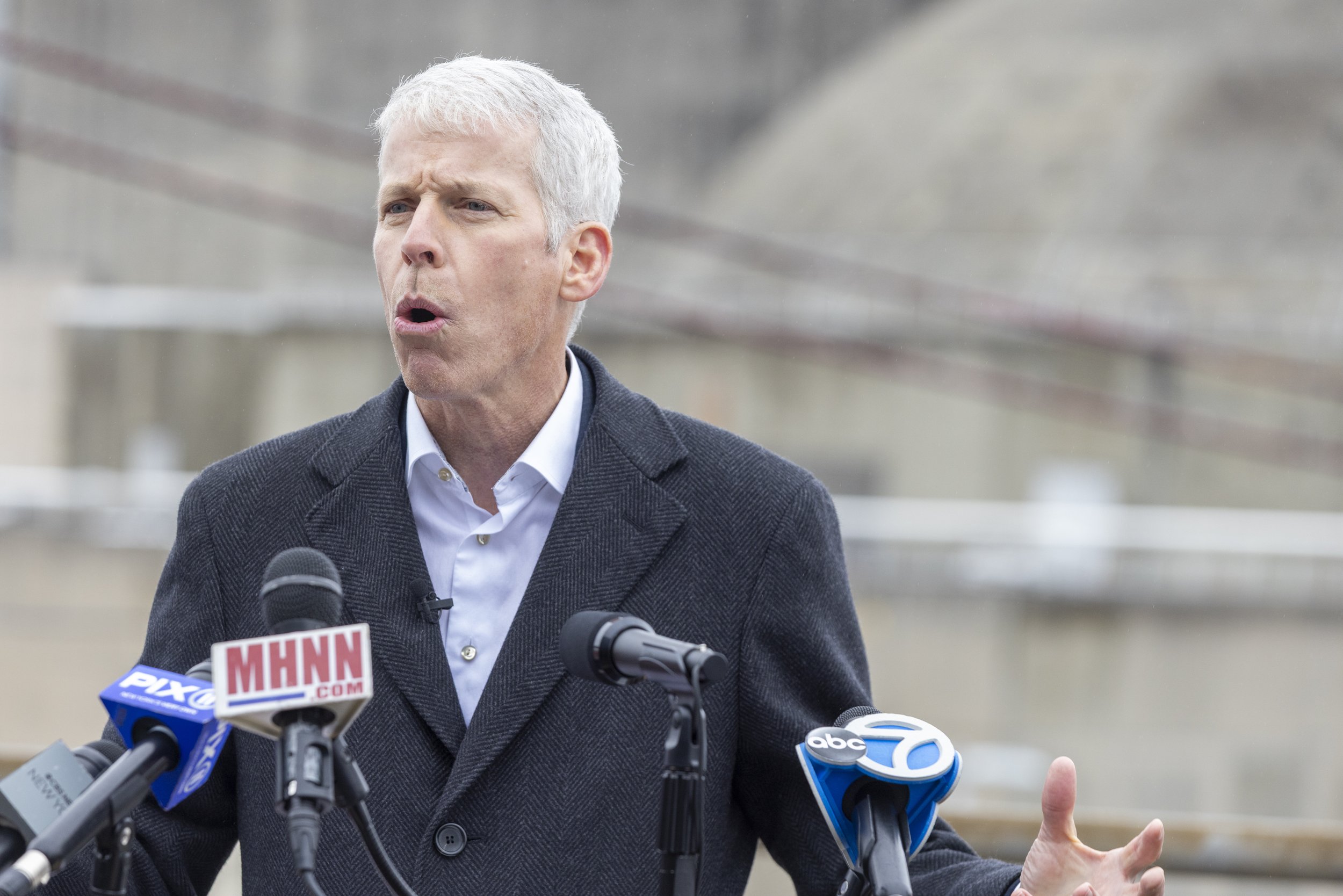
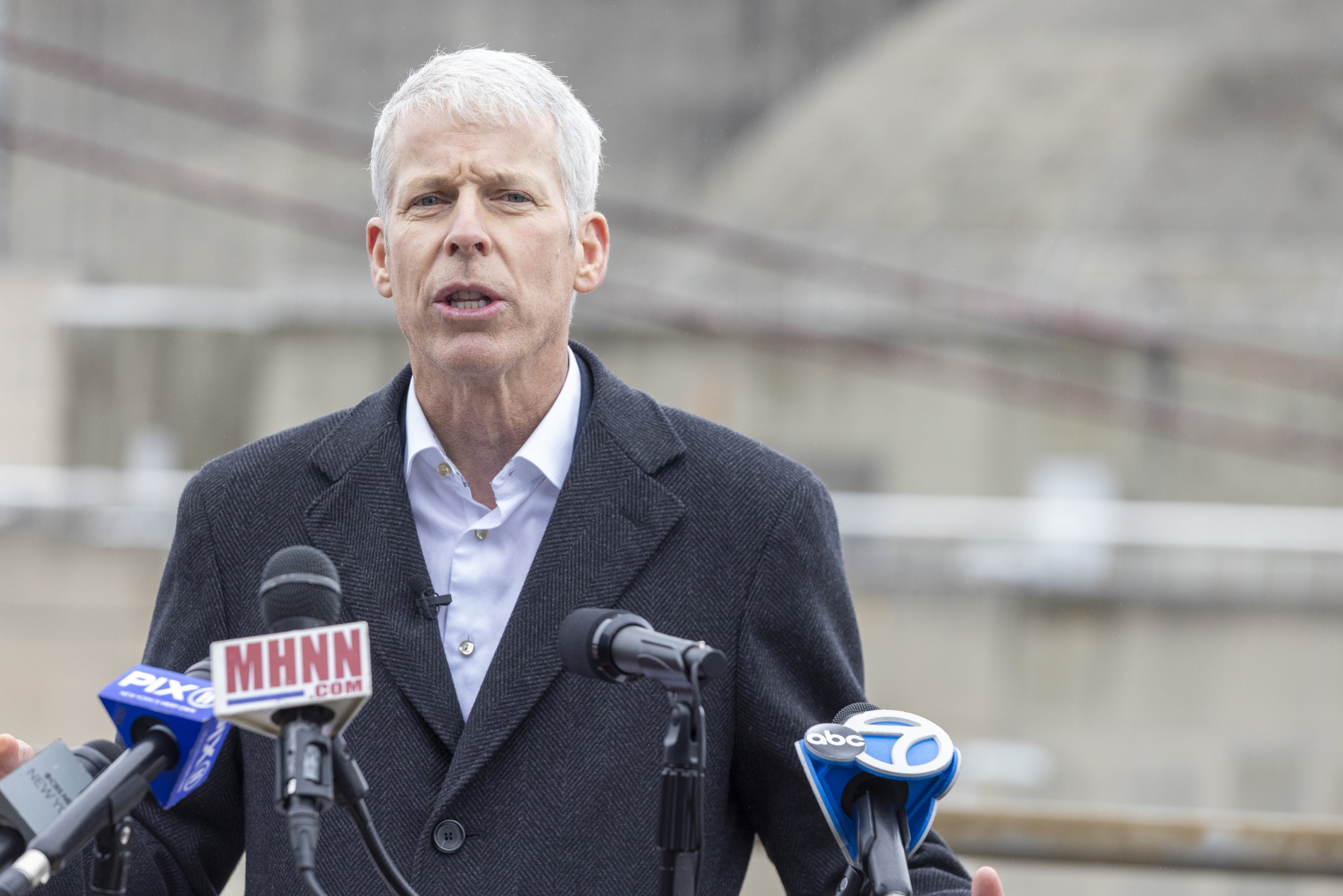
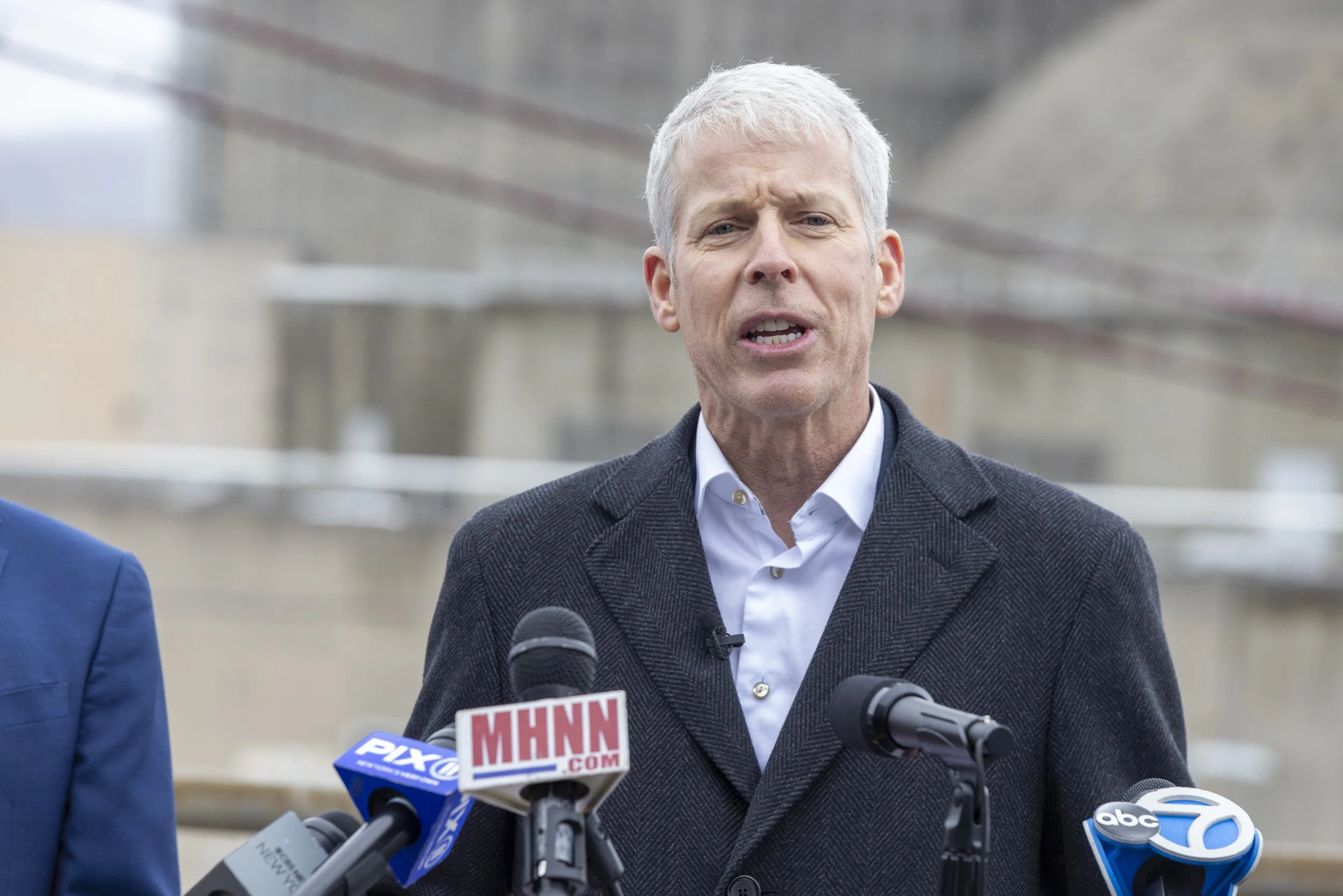
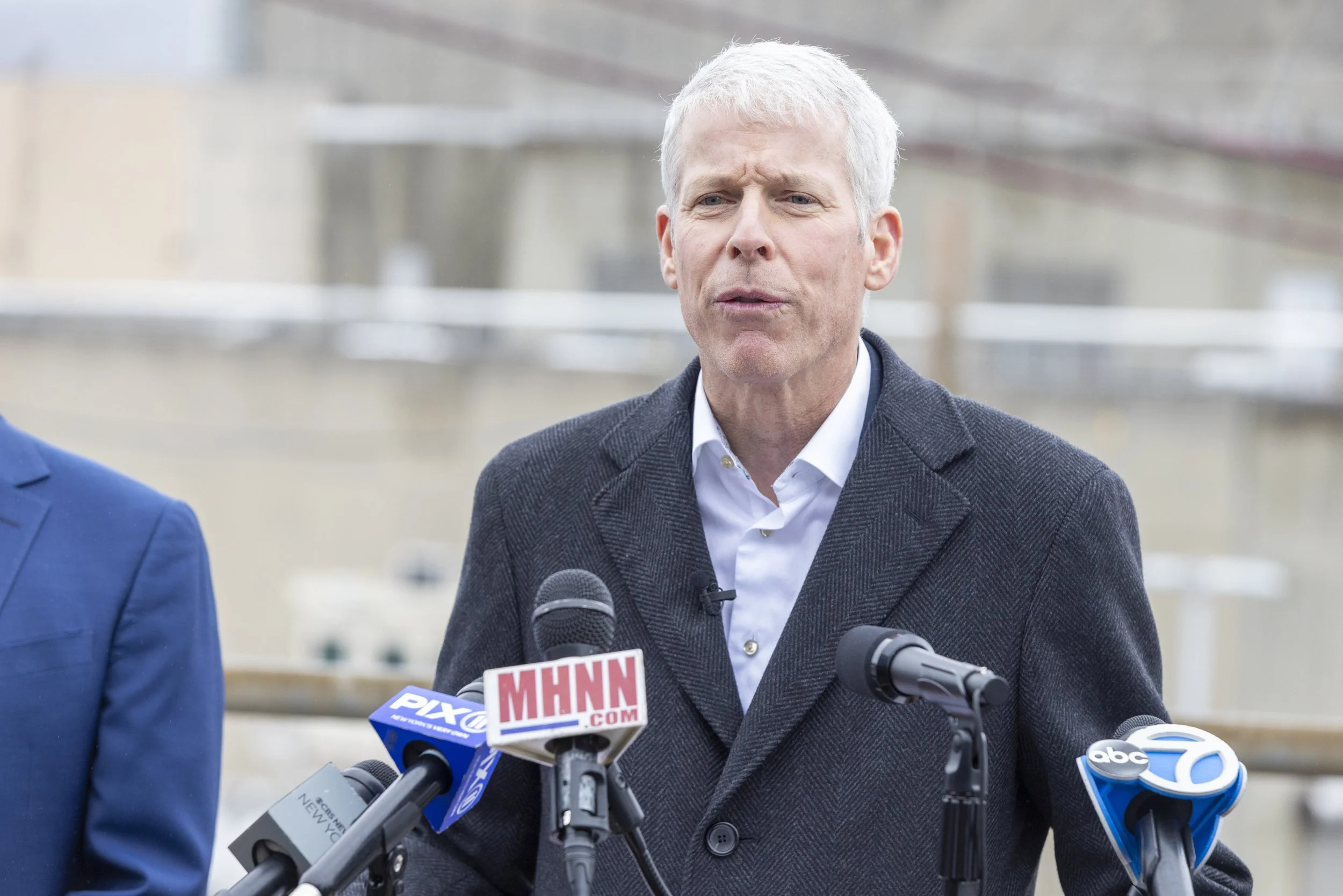
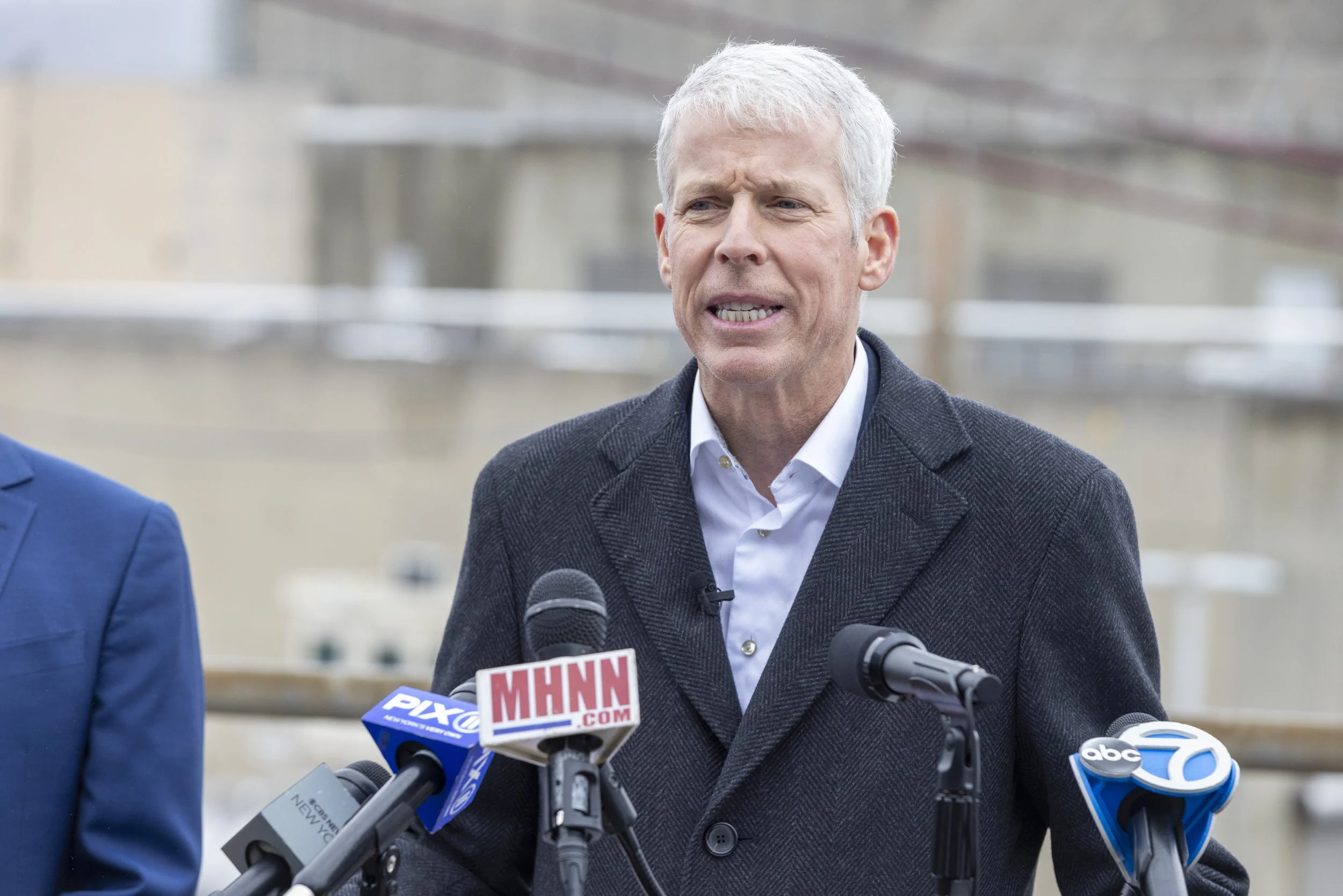
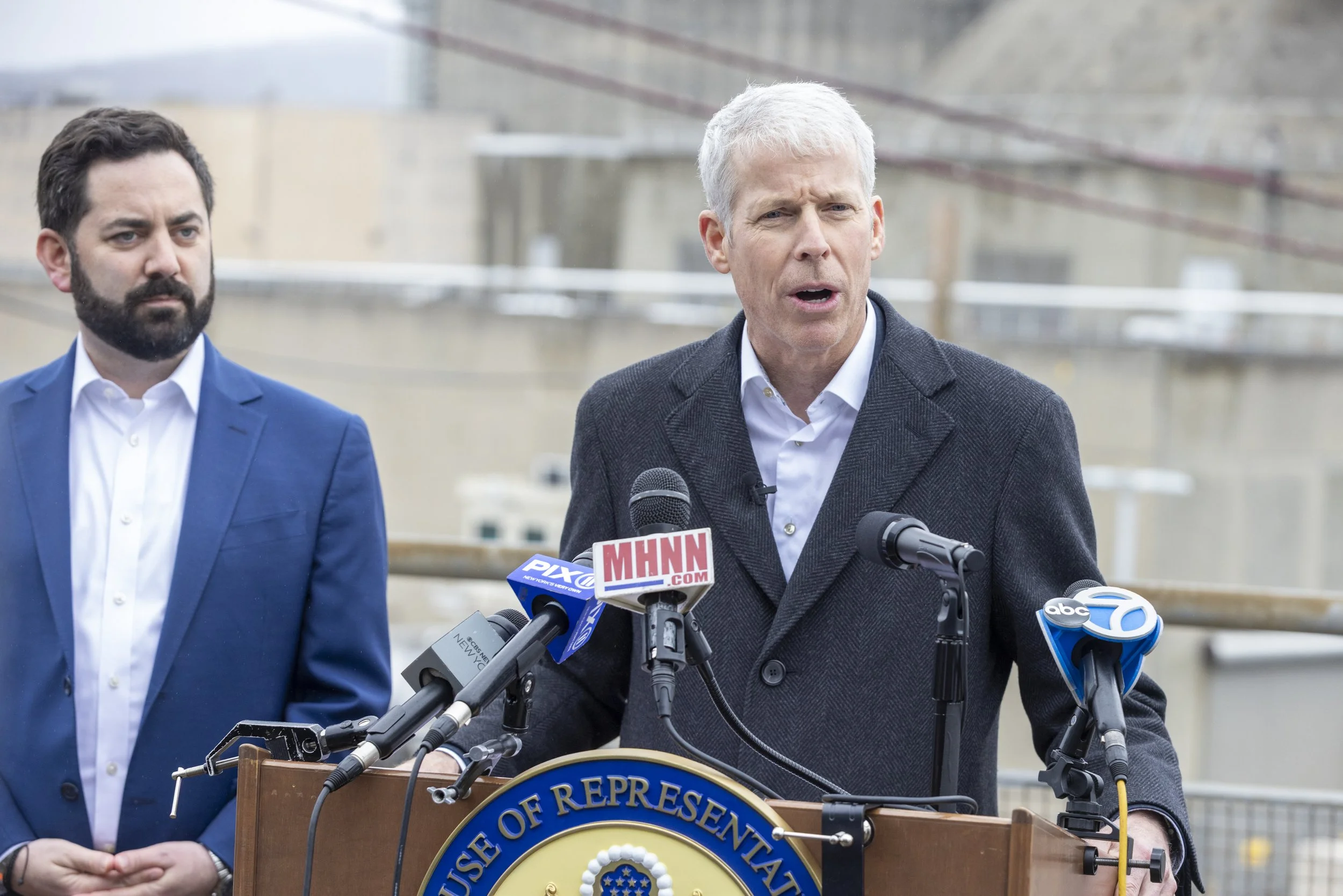
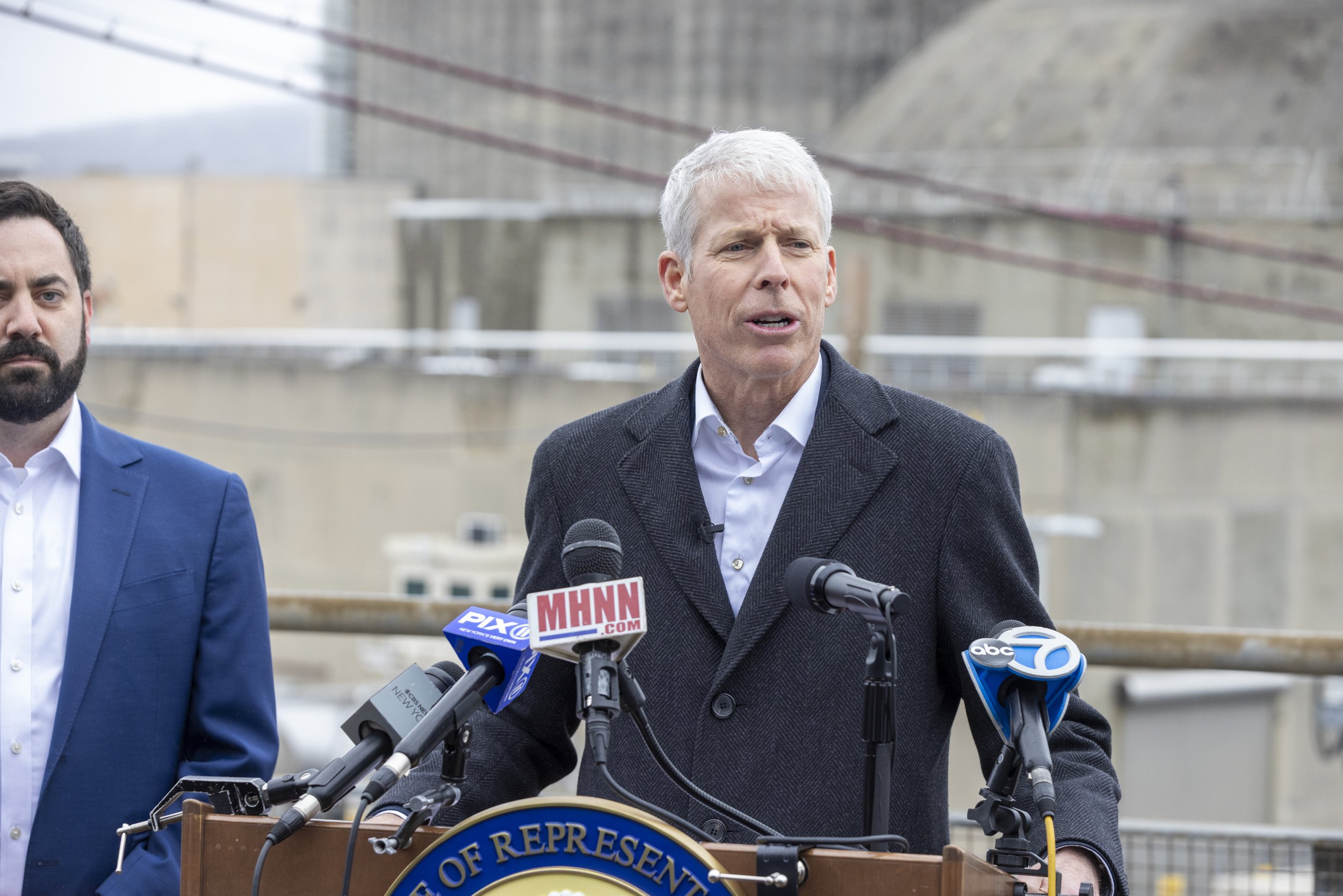
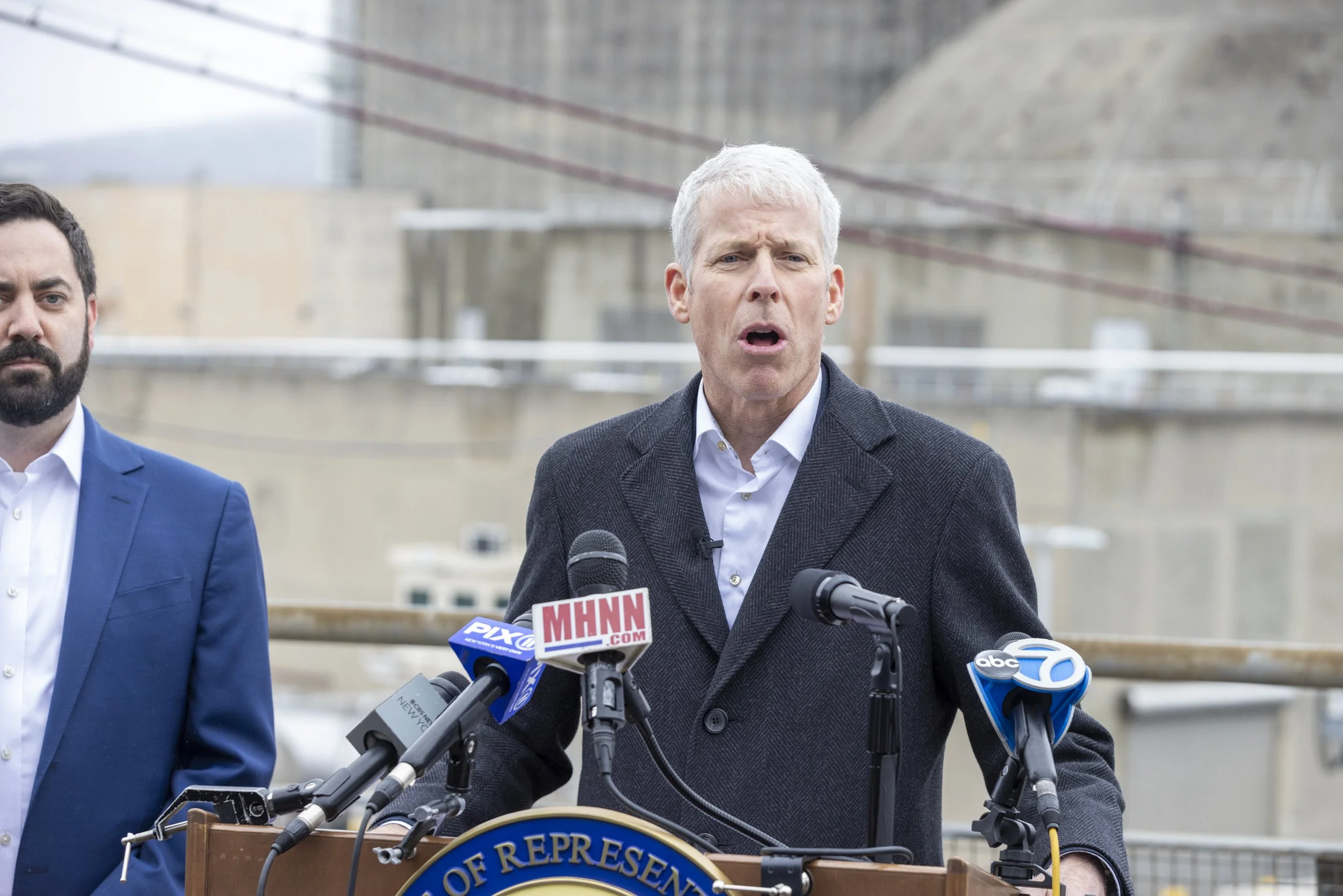
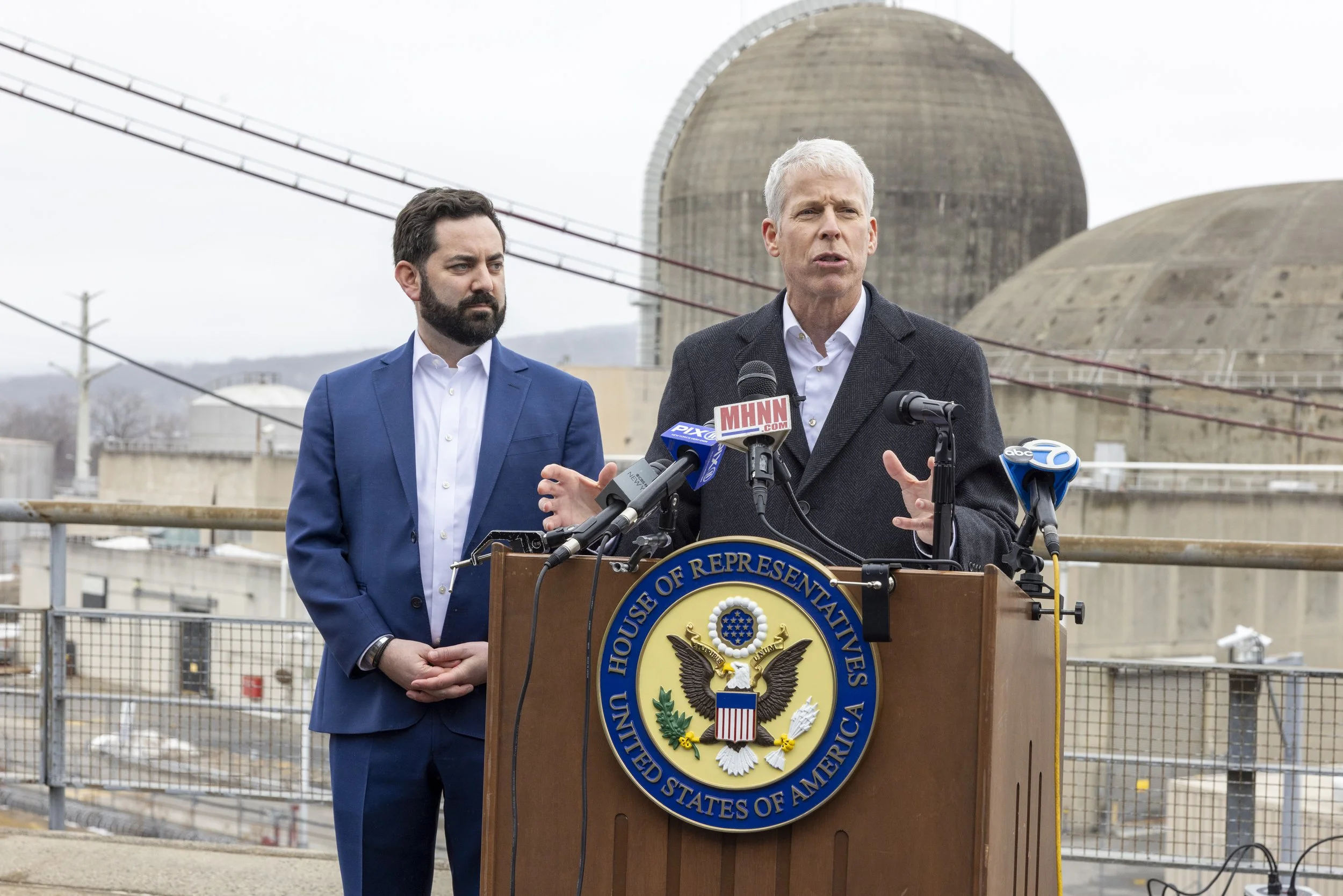
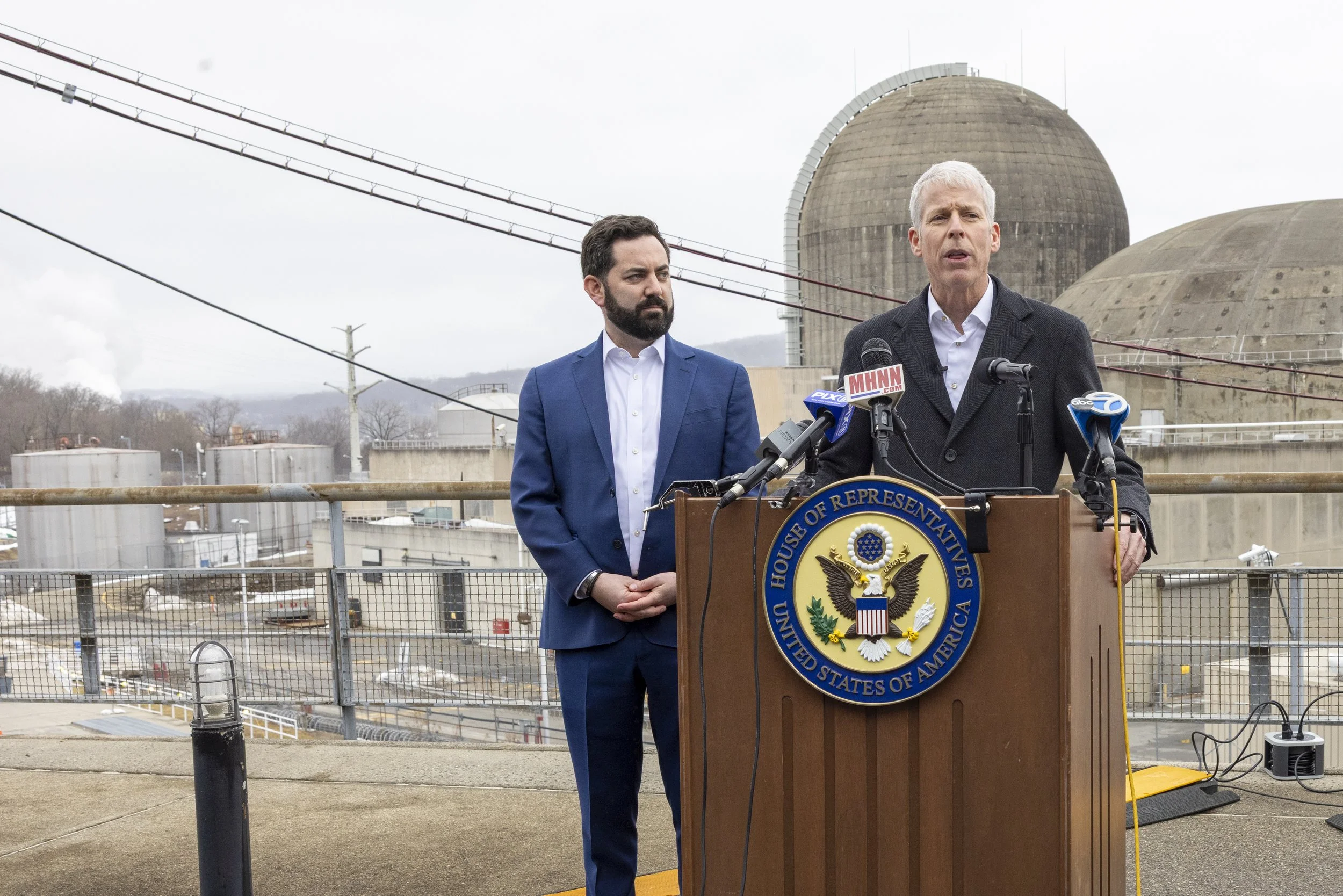
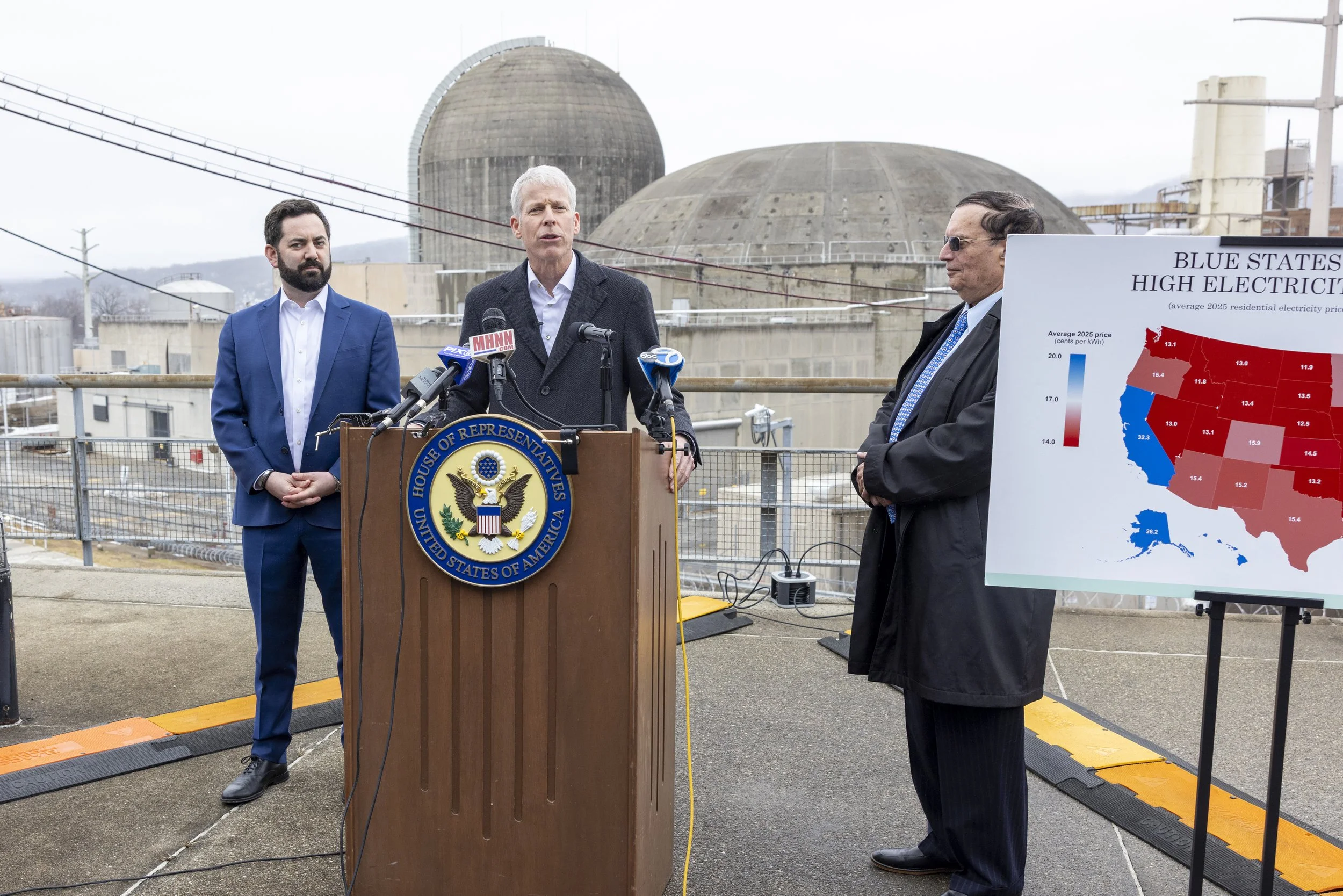
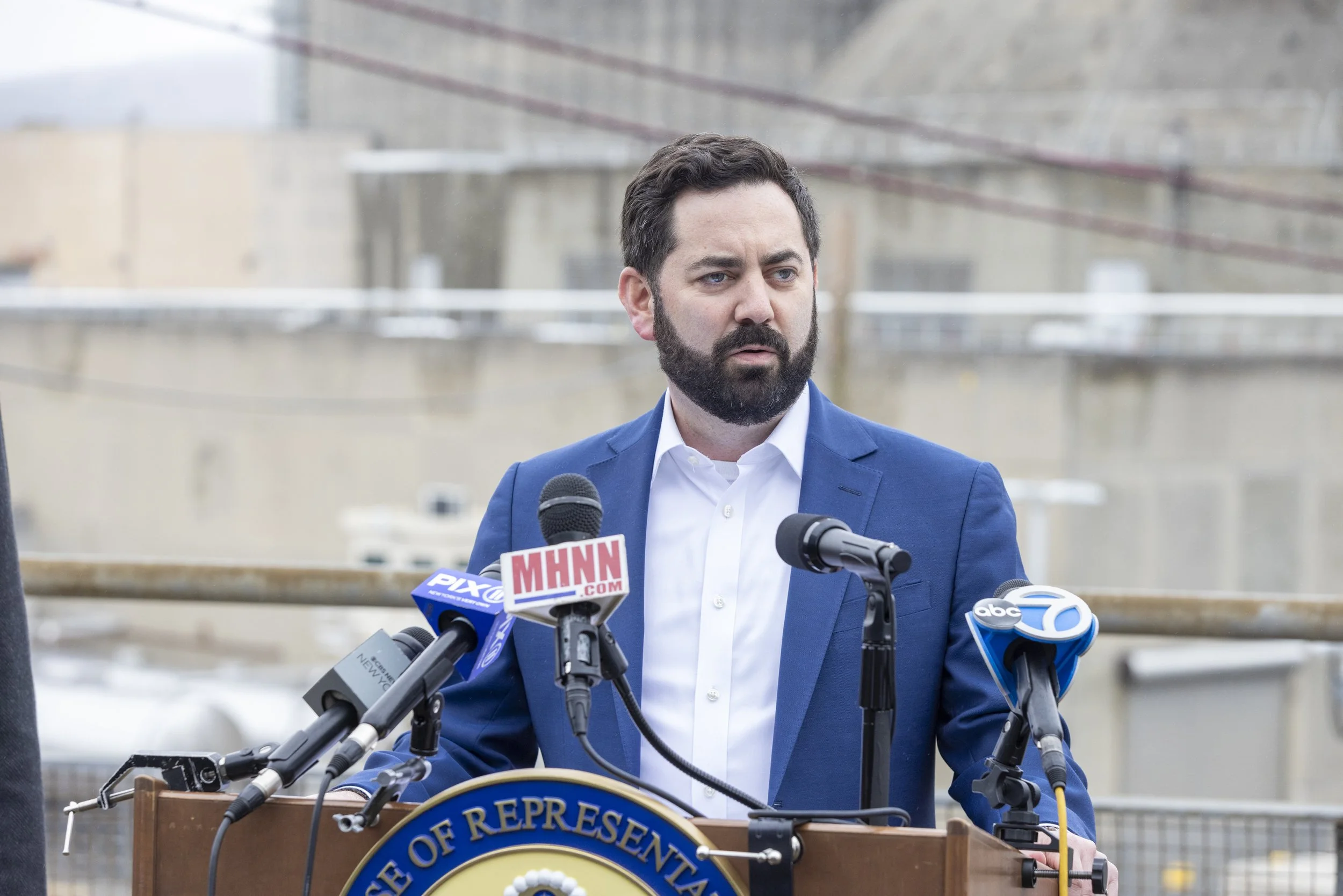
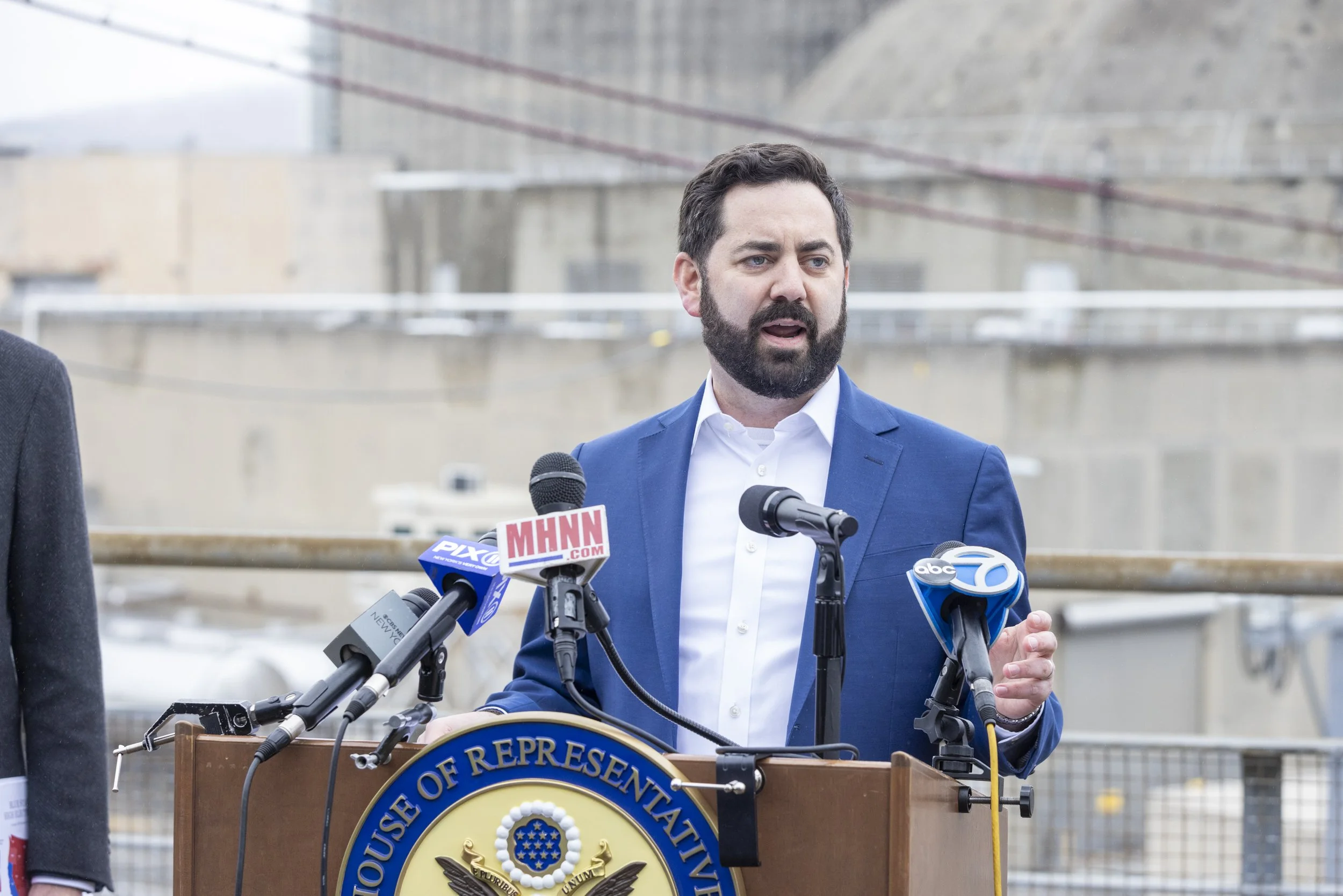
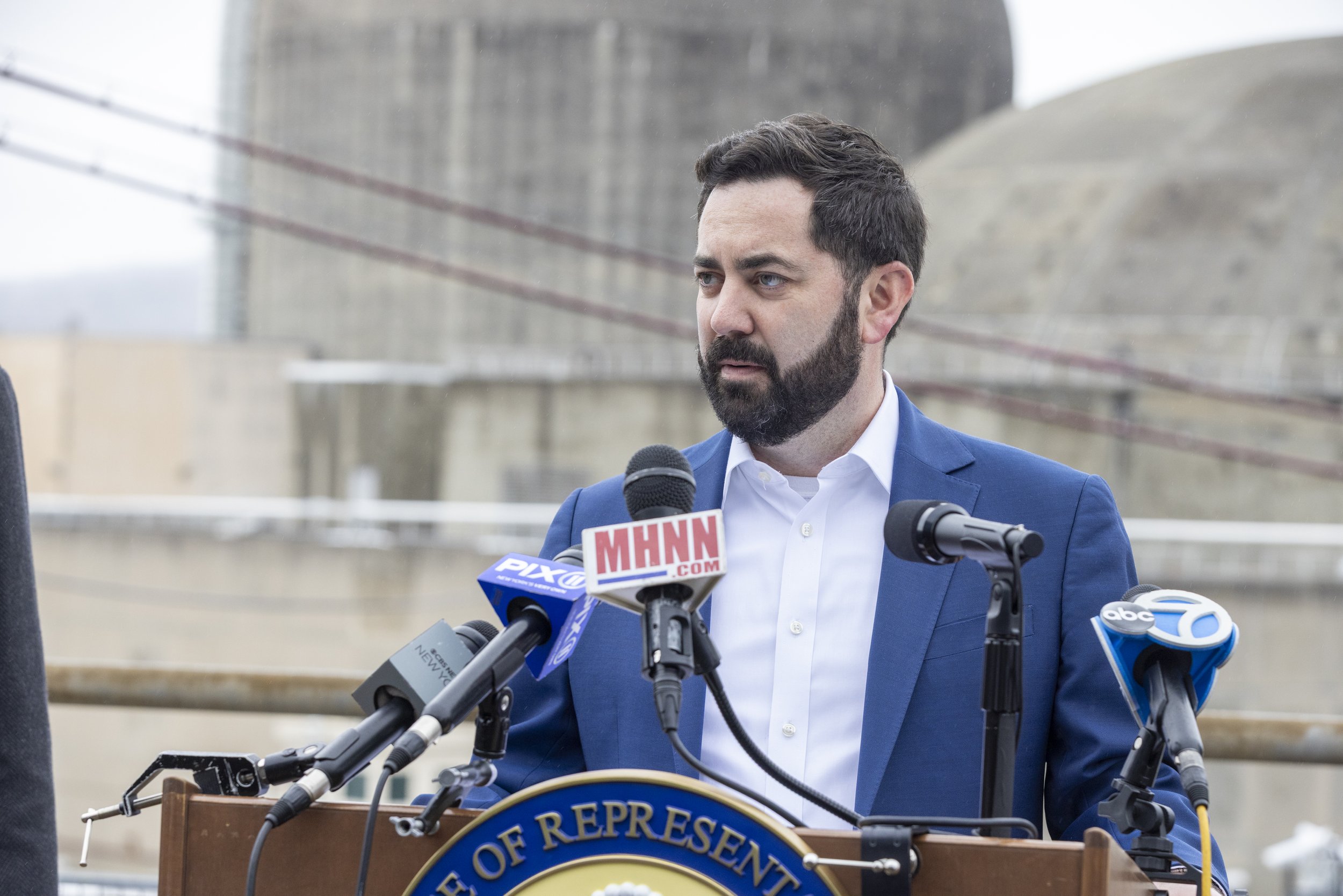
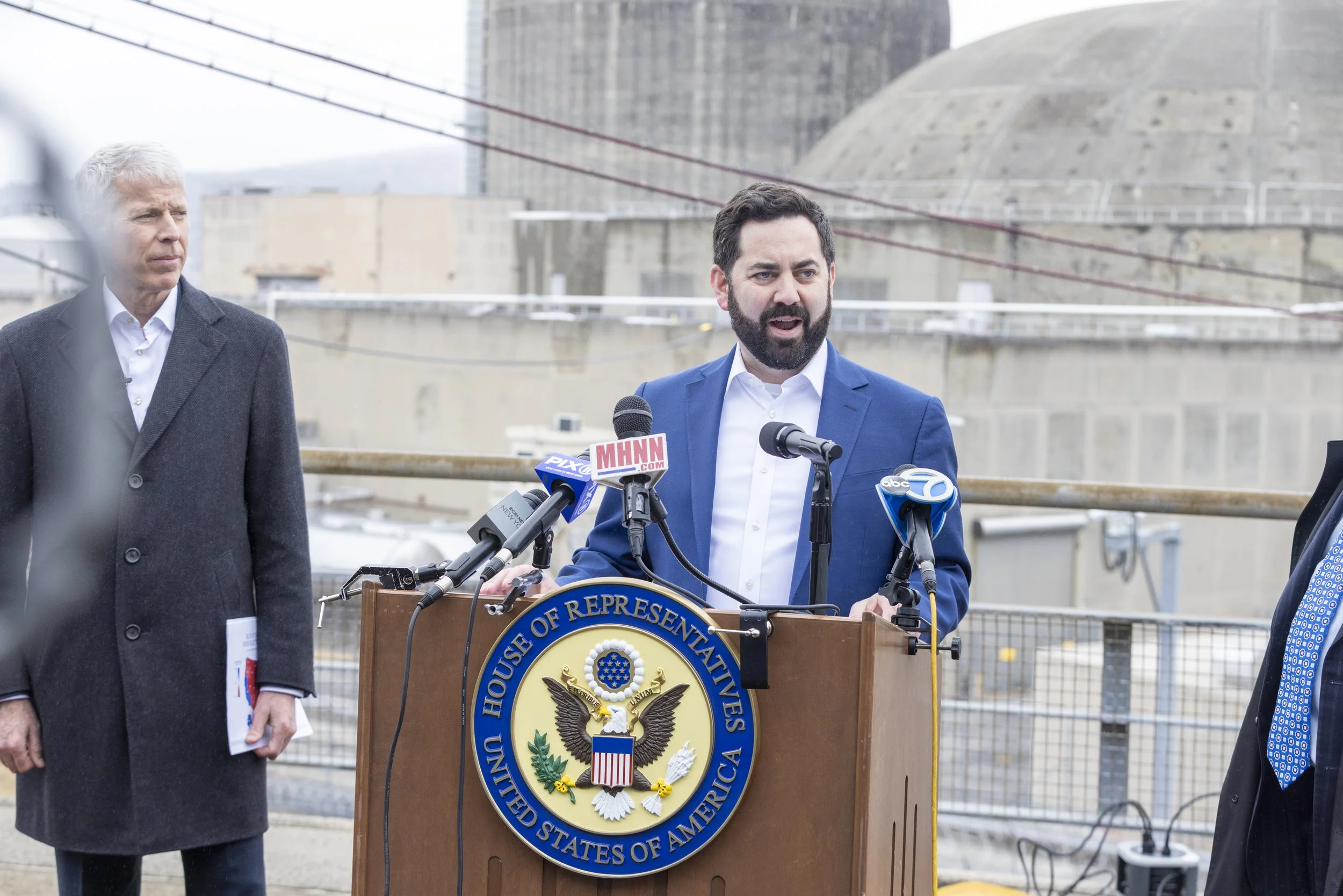
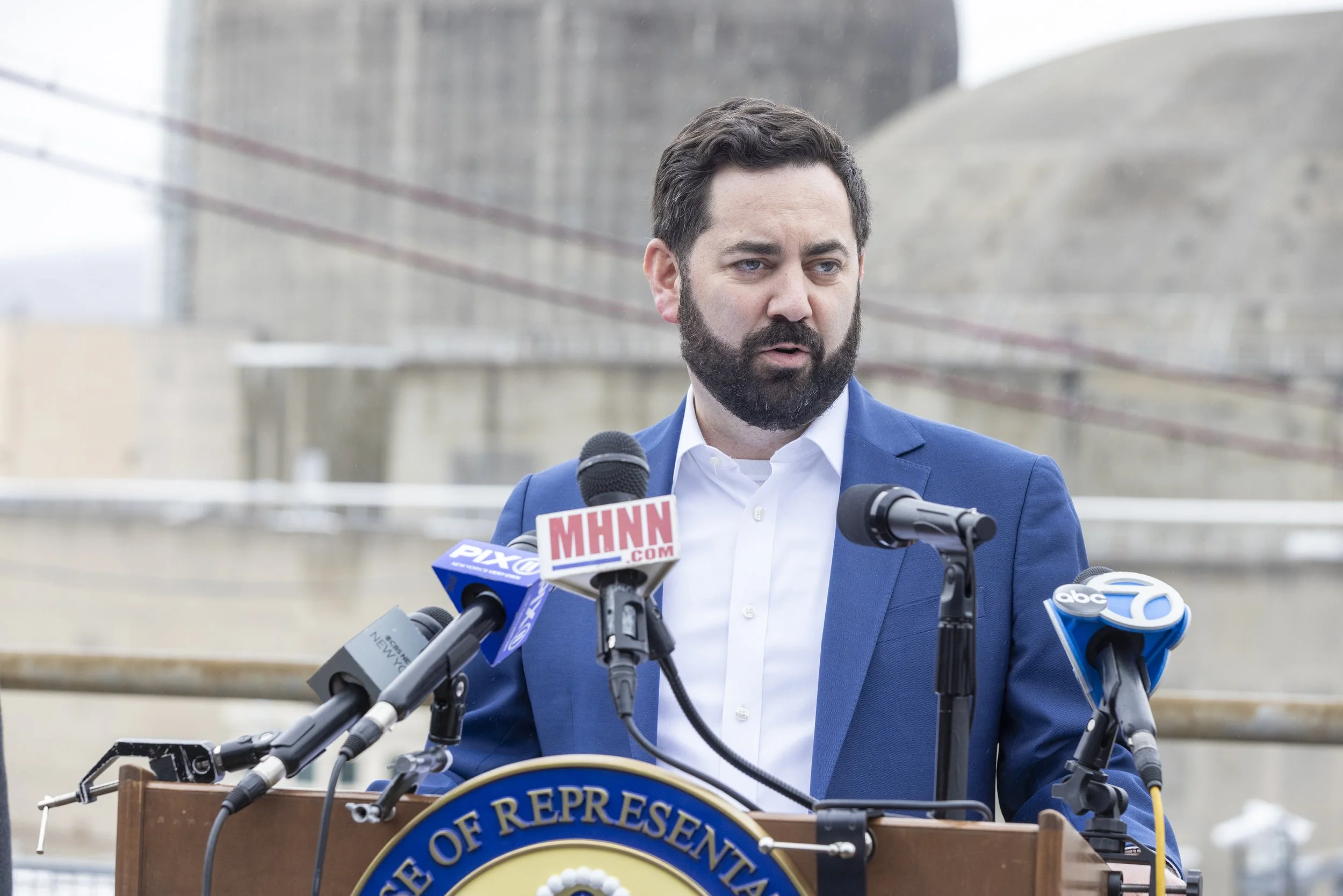
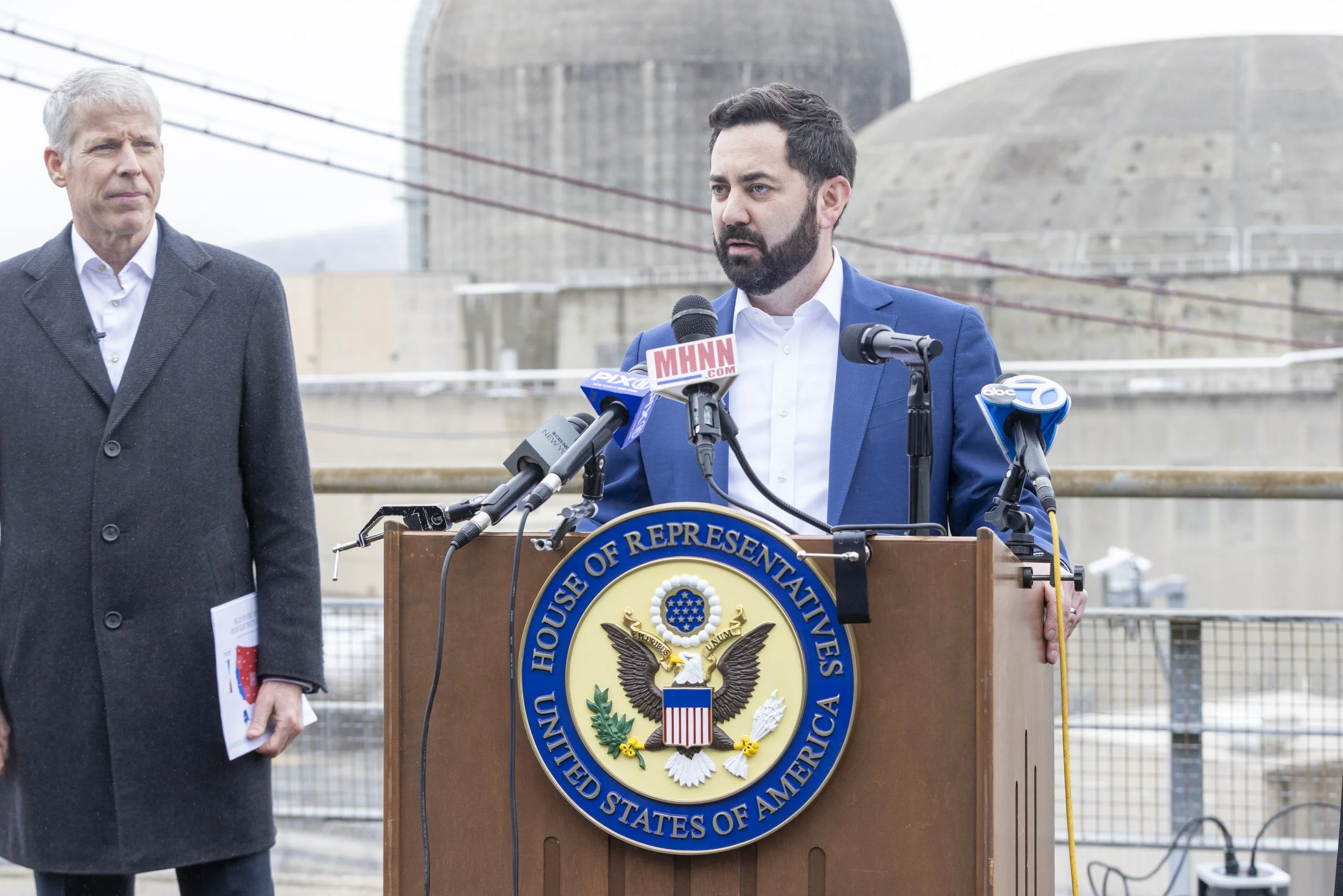
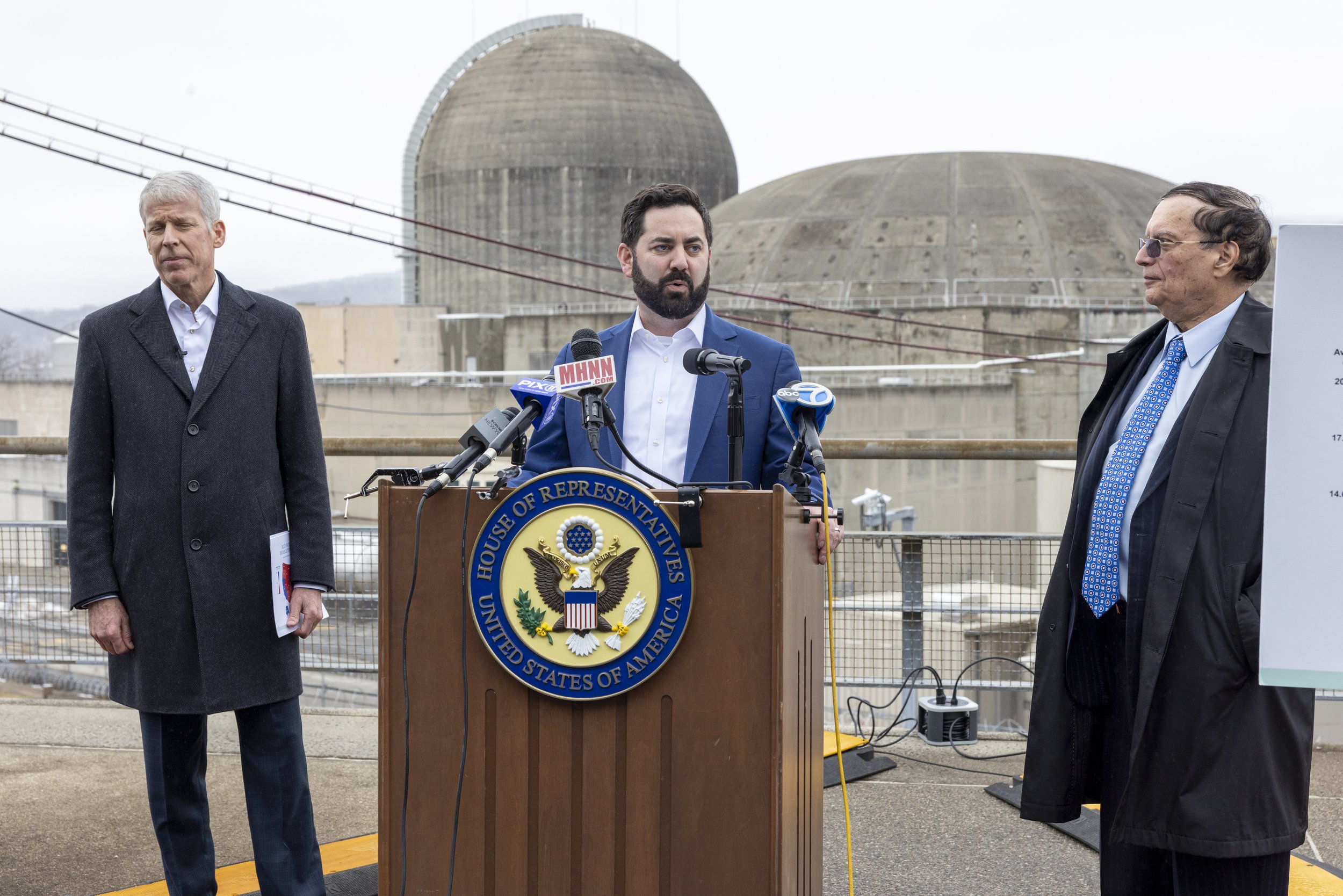
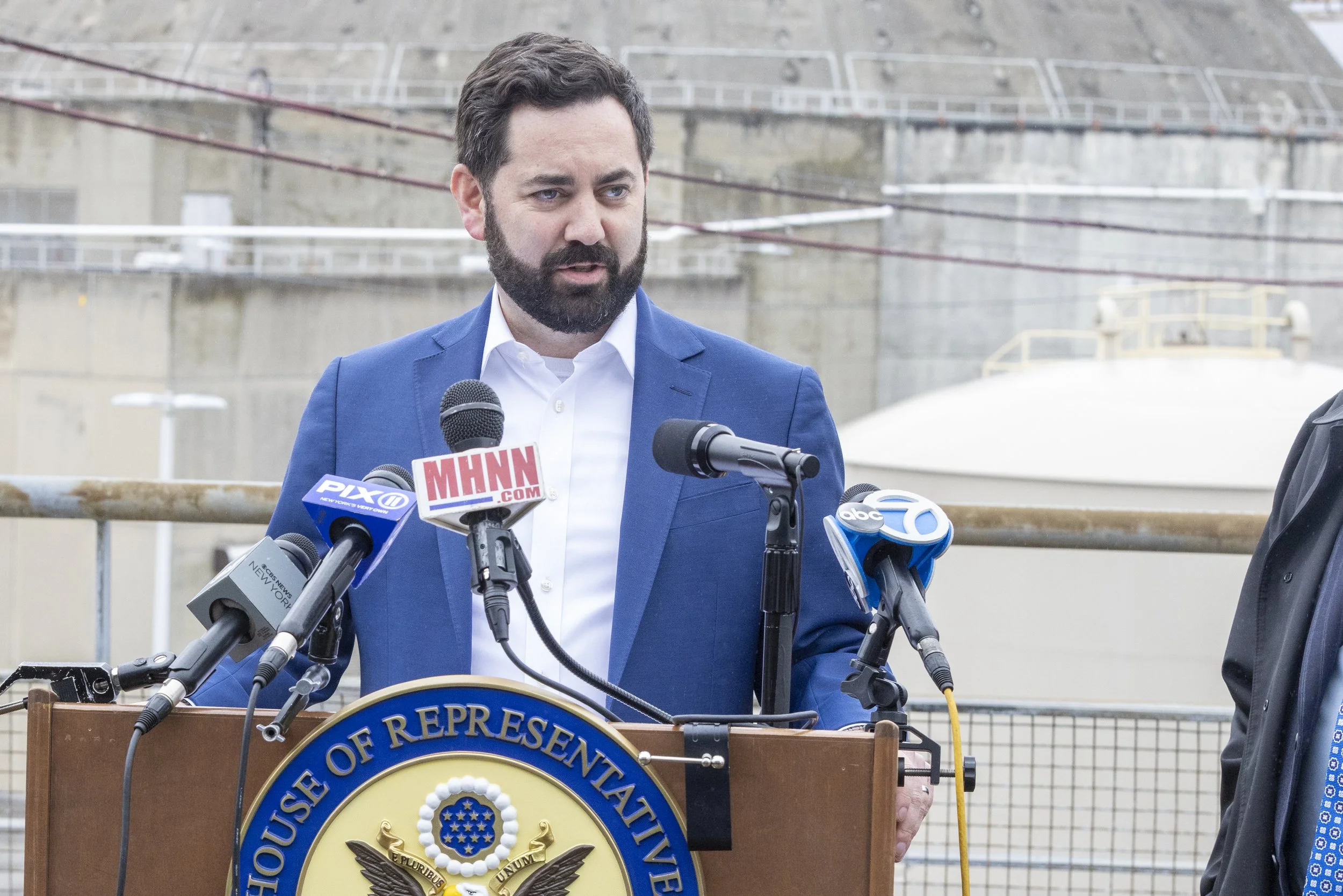
I was on the ground covering the press conference on March 6, 2026, as U.S. Department of Energy Secretary Chris Wright, Congressman Mike Lawler (NY-17), and Holtec International CEO Kris Singh stood before the dormant Hudson River facility and made their case for bringing nuclear power back to the region.
Their message was direct: New York may need Indian Point again.
The plant, which fully shut down in 2021 after decades of operation, has become a flashpoint in the state’s ongoing energy debate. Supporters of the shutdown celebrated it as a major environmental victory, but critics say the closure contributed to rising electricity prices, increased reliance on natural gas, and growing strain on the power grid.
With AI infrastructure, data centers, and electrification rapidly increasing energy demand, officials at Friday’s press event argued that nuclear power offers something renewables cannot always provide: constant, reliable electricity.
“Nuclear power produces energy that doesn’t matter the weather, doesn’t matter the condition,” Secretary Wright said during the event.
Standing in front of the plant’s iconic structures overlooking the Hudson River, Congressman Mike Lawler emphasized that the existing infrastructure makes Indian Point uniquely capable of helping stabilize the region’s power supply.
“This facility right behind me can be rebuilt,” Lawler said. “This facility could generate the power that’s needed for New York.”
Lawler also criticized state leadership for opposing the idea and urged Governor Kathy Hochul to reconsider her position on reopening the plant, arguing that bringing Indian Point back online could help lower energy costs for millions of residents.
“New Nuclear at the Old Plant”
Holtec International CEO Kris Singh, whose company currently oversees the plant’s decommissioning, outlined a possible path forward that would involve modernizing the facility rather than simply restarting the old reactors.
“It will be new nuclear at the old plant,” Singh said. “We are going to make numerous improvements… the same power output or maybe a little more.”
According to Singh, a rebuilt facility would incorporate modern safety systems and updated reactor technology, addressing many of the concerns that led to the plant’s closure in the first place.
The proposal comes at a time when nuclear energy is gaining renewed attention across the United States as policymakers look for ways to meet growing power demand while reducing carbon emissions.
Strong Opposition Remains
Despite the push from federal officials and energy advocates, significant opposition remains in New York.
Governor Kathy Hochul has indicated that while nuclear energy could play a role in the state’s future energy strategy, she favors potential expansion projects located upstate rather than reopening Indian Point.
Westchester County Executive Ken Jenkins also rejected the idea outright.
“Our communities fought long and hard to close this facility,” Jenkins said. “We are not going to reopen that debate now and not ever.”
Environmental activists and protesters were also present near the event, raising concerns about safety, waste storage, and the risks of operating a nuclear facility so close to New York City.
A Debate That Isn’t Going Away
The Indian Point Energy Center sits just about 35 miles north of Manhattan, making it one of the most strategically located power plants in the state. Its shutdown removed roughly 2,000 megawatts of nuclear power from the grid, a loss critics say has not been fully replaced.
As New York pushes toward aggressive electrification goals while energy demand continues to rise, the future of Indian Point is quickly becoming one of the most contentious questions in the state’s energy policy.
Standing at the site Friday, with cameras rolling and officials debating the plant’s future, one thing was clear:
The fight over Indian Point is far from over.